-
 play_arrow
Georgia NOW Live Streaming Now
-
 play_arrow
What Bottoms, Ossoff & Democrats can (or can't) do this cycle with Andrew Heaton



Georgia community solar expansion stalls despite bipartisan support
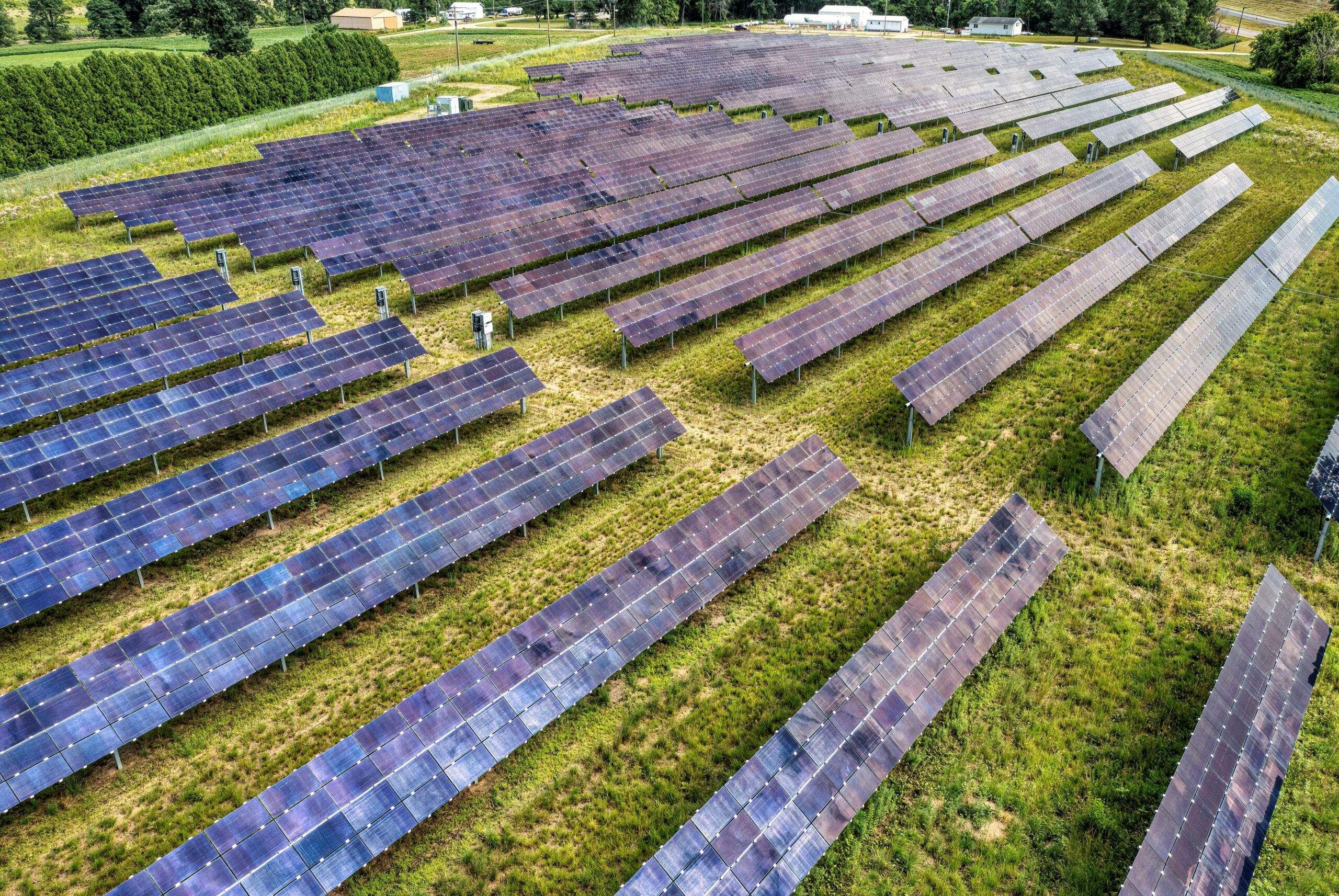
Republican lawmakers sponsored bills in 2025 that would make it easier for communities to generate solar energy.
Despite having the entire 2026 legislative session to pass it, the bills never made it to a vote in their chambers.
The Georgia Homegrown Solar Act of 2025 was introduced in both chambers of the Georgia legislature by Republican lawmakers. Both bills received support from both Republicans and Democrats, but neither saw any traction.
The law would have expanded community solar, which would allow residents, renters and businesses to subscribe to local solar projects to reduce the price of their electricity bill. If the bill had passed, consumers of electricity in Georgia would have been able to choose for a portion of their energy to come directly from solar power.
“Basically a good way to think of it, it’s in the name. It’s basically like a localized solar array that multiple residential customers, homeowners, renters, whoever it may be can buy into. (22:51) So they’re sharing energy, and they’re also getting those on bill credits as well,” said Adrien Webber, the director of the Georgia Sierra Club.
Georgia Power currently serves nearly 3 million customers in Georgia as of December 2024, and the company does offer a community solar program for residential customers. However, the program is not intended to save customers money and is only available to allow customers to support solar energy.
The program costs $24 per 1 kilowatt block per month of solar usage for residential customers, which is almost $9 more than the average price per kilowatt in 2024.
The Southern Alliance for Clean Energy published an article saying that Georgia Power’s current program is “unpopular, inefficient, and increases bills,” while most programs nationwide save 5-20% on average.
“I mean, Georgia power, you know, they influence all of our statewide energy policy, obviously, but they don’t have the entire state. Like people have EMCs, people have co-op power,” Webber said.
However, Webber said the areas where community solar could be really successful are in dense, urban areas, which is where Georgia Power mostly services.
As of now, the expansion is on hold, but Webber said the Sierra Club will continue to advocate for this legislation.
“This is where Sierra Club comes in. We meet with Republicans, we meet with Democrats, Independents, whoever it is, whoever these decision makers are, and we just try and really present the facts to them,” he said.

-

The Politics Bar
Weekdays at 6pm
Jody Hamilton and Shawn "Smith" Peirce are the proprietors of The Politics Bar, a progressive audio show that recreates the spirit of the old neighborhood bar where friends could discuss the news of the day without starting a brawl. Jody is an Emmy-nominated, award-winning media producer, actress, and radio host—daughter of TV producer Joe Hamilton and comedy legend Carol Burnett—who's made her own mark in media through "The Carol Burnett: Show Stoppers," "The Porkchop Playhouse," "From The Bunker" podcast, and her work as executive producer and fill-in host of "The Stephanie Miller Show". Shawn is a long-time national media producer and radio talent who's one of the few producers in U.S. political media to have worked on the left, right, and center, including more than a decade with "The Randi Rhodes Show" and stints producing "The Stephanie Miller Show," "The Bill Press Show," "The Laura Ingraham Radio Show," and "The Steele & Ungar Show" for SiriusXM. The show airs weeknights on progressive radio affiliates nationwide and is available on-demand through podcast platforms and Substack subscription.
close  From CBS News
- Trump rolls out the red carpet for Xi despite U.S.-China tensions September 23, 2026It's not clear what specific goals President Trump wants to accomplish in his meeting with the Chinese leader.
- East Coast faces threat of powerful winds, flooding as Nor'easter builds September 23, 2026Both coasts are bracing for the possibility of extreme weather as a Nor'easter builds in the East and California is threatened by Hurricane Polo. Rob Marciano breaks it down and shares the forecast.
- Tropical Storm Nolo forms in Pacific, Hawaii under hurricane watch September 23, 2026Nolo is expected to become a hurricane sometime Thursday, and could become a major hurricane by the weekend as it approaches Hawaii's Big Island.
- Judge dismisses Trump's 2024 lawsuit against Iowa newspaper over poll results September 23, 2026An Iowa judge sided with pollster J. Ann Selzer and The Des Moines Register, saying that allowing the lawsuit and its "faulty" claims to proceed could "discourage others from reporting on and debating public affairs."
- Dolly Parton's estate granted restraining order against her nephew over threats September 23, 2026A Tennessee judge granted Dolly Parton's estate a temporary restraining order Wednesday against the late singer's nephew Bryan Seaver and his private security company.
- Fat Bear Week 2026 is here, and voting already "broke the internet" September 23, 2026Sixteen bears are vying for votes in Fat Bear Week 2026, the highly anticipated contest among the chunkiest bears at the Katmai National Park and Preserve in Alaska.
- Co-worker: Gilgo murders suspect unnerved her by tracking her down on a cruise September 23, 2026Exclusive details about the NYC architect accused of being the Long Island serial killer, his life and how he may have been hiding in plain sight for more than a decade.
- 9/23: The Takeout with Major Garrett September 23, 2026President Trump to hold arrival ceremony for Chinese President Xi Jinping; judge yet to rule on Mr. Trump's ban on news outlets from White House.
- Judge skeptical of Trump's White House ban on CNN, MS NOW and Politico September 23, 2026A federal judge signaled he is skeptical of President Trump's ban on CNN, MS NOW and Politico from White House grounds.
- These GOP candidates in tight races are calling for a quick end to Iran war September 23, 2026Some Trump-aligned candidates are calling for an end to the Iran war, even as Trump stands by his Iran strategy and has suggested escalation is possible.
- Trump rolls out the red carpet for Xi despite U.S.-China tensions September 23, 2026
Post comments (0)