-
 play_arrow
Georgia NOW Live Streaming Now
-
 play_arrow
Heaven & Hell


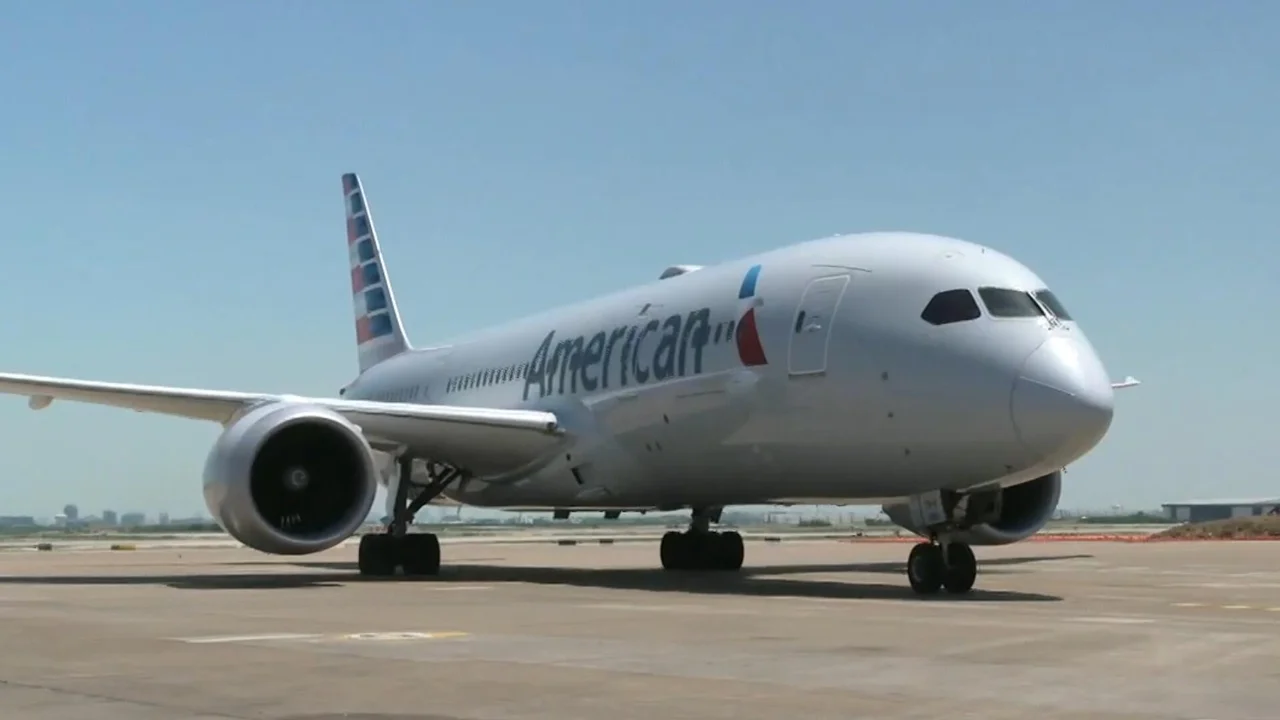
Strong demand, fewer budget airlines keep airfares elevated
Plane tickets continue to cost significantly more than they did a year ago, even as one of the airline industry’s biggest expenses has started to decline.
New data from Airlines Reporting Corporation shows the average airfare purchased through travel agencies in May was 18% higher than during the same month last year. Analysts say several factors are keeping prices elevated, including strong demand for travel, reduced competition after Spirit Airlines shut down and airlines’ reluctance to lower fares once they’ve increased them.
Julian Kheel, founder of travel rewards platform Points Path, said airfare often follows the same pricing pattern consumers see at the gas pump. When fuel becomes more expensive, airlines quickly pass those costs on to passengers. When fuel prices fall, however, ticket prices typically take much longer to respond.
Jet fuel, the airline industry’s second-largest operating expense behind labor, spiked after fighting erupted in the Middle East earlier this year, prompting many carriers to raise fares. Although fuel prices have since eased, airlines continue to benefit from steady demand and have little financial incentive to reduce ticket prices.
Airlines Reporting Corporation Chief Commercial Officer Steve Solomon said fuel costs are only one piece of the pricing equation. Ongoing geopolitical uncertainty and consistent demand for travel have also contributed to higher fares.
Competition has also changed. Spirit Airlines’ bankruptcy and shutdown in May removed one of the nation’s largest ultra-low-cost carriers, eliminating a major source of downward pressure on ticket prices. Kheel said replacing that lost capacity won’t happen overnight, allowing airlines to keep fares high while available seats remain limited.
Travel patterns have also shifted since the pandemic. Kheel said more passengers are paying for premium cabins and upgraded travel experiences rather than seeking the lowest possible fares, making it even more difficult for the ultra-low-cost business model to regain its footing.
For travelers hoping lower fuel prices would quickly translate into cheaper flights, industry analysts say that relief is likely to take longer than expected as airlines continue to capitalize on healthy demand and a changing marketplace.

-
The Ron Show
Weekdays at 4pm
Ron Roberts is a Georgia-born radio veteran and host of The Ron Show, Atlanta's only progressive audio platform airing weekdays on AmericaOne Radio. With an extensive background as an FM radio program director and broadcaster skilled in audio editing, voice acting, and commercials, Ron brings nearly three decades of radio experience to his show. The show covers Atlanta, metro Atlanta, Georgia, and national politics from a unique perspective—he's a self-described "run-of-the-mill Georgia-born gay progressive cat-dad realtor & talk show host". Ron frequently welcomes guests ranging from local activists to prominent national figures, including Marianne Williamson, Rep. Nikema Williams, actor Michael Kelly, and Sen. Shea Roberts.
close  From CBS News
- Meta settles social media addiction suit with states for $17 billion August 26, 2026Meta agreed to pay up to $17 billion to settle allegations that its social media platforms are addictive.
- Trump hasn't decided on Leavitt's replacement as press secretary, sources say August 26, 2026President Trump hasn't settled on a replacement for White House press secretary Karoline Leavitt, whose last day is Friday, according to administration officials close to the situation.
- Boston Scientific says a cyberattack is disrupting its global operations August 26, 2026Medical device maker said it is working to assess the scope of the attack and business interruption.
- Ross Fire explodes to over 80,000 acres, forces evacuations in North Texas August 26, 2026The Ross wildfire has burned more than 80,000 acres across Palo Pinto and Jack counties, forcing evacuations, closing roads and disrupting schools.
- Ring camera founder announces new privacy measures amid Flock surveillance concerns August 26, 2026Ring camera founder Jamie Siminoff joins "CBS Mornings" to announce the company's new privacy measures as public concern ramps over security camera surveillance and the use of AI.
- Lauren Alaina says Dolly Parton was a "voice for everyone" August 26, 2026Country star Lauren Alaina joins "CBS Mornings" to talk about Dolly Parton's impact on her career, the best advice she received from the music icon and why she was beloved.
- Dolly Parton, country music legend, dies at 80 after brief cancer battle August 26, 2026Dolly Parton became an icon over her six-decade career as a Grammy-winning singer-songwriter, movie and TV star and theme park owner who donated millions to help others.
- Dolly Parton remembered by fellow stars, politicans: "A true loss for millions" August 26, 2026President Trump said that he would be "lowering the American flag" throughout the nation for one week in Dolly Parton's honor.
- July PCE inflation index held at 3.7% annual pace, hotter than expected August 26, 2026The Personal Consumption Expenditures index was unchanged from June, highlighting stubborn inflationary pressures.
- Carly Pearce recalls when Dolly Parton invited her to be an official member of the Grand Ole Opry August 26, 2026Grammy-winning country music star Carly Pearce joins "CBS Mornings" to discuss her relationship with Dolly Parton and her start at Dollywood at 16 years old.
- Meta settles social media addiction suit with states for $17 billion August 26, 2026
Post comments (0)