-
 play_arrow
Georgia NOW Live Streaming Now
-
 play_arrow
Ringing The Bell



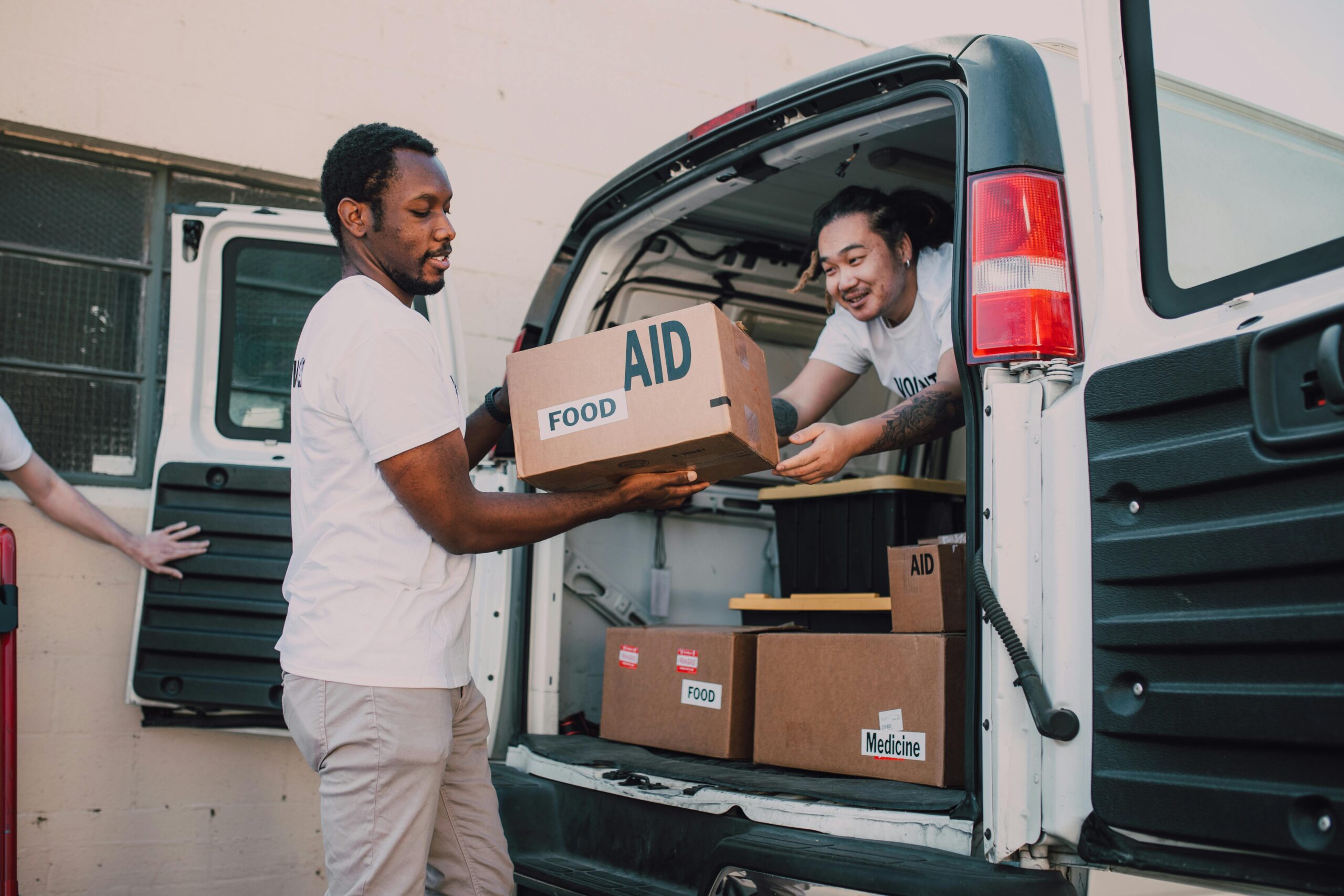
SNAP Cuts, Delayed Benefits, and Post-Shutdown Fallout Drive Severe Hunger Across Georgia
Georgia families are facing a worsening food crisis as the effects of the 43-day federal government shutdown collide with newly tightened Supplemental Nutrition Assistance Program (SNAP) rules mandated under a GOP tax-and-spending law. Reporting across the state finds that even though federal operations have resumed, food insecurity continues to escalate.
USDA Pushes Forward on SNAP Restrictions During Shutdown
The Republican tax and spending bill, passed by the U.S. House on May 22 and backed by President Donald Trump, would shift more than $22 billion in SNAP benefits and administrative costs to states for the first time.
The U.S. Department of Agriculture continued directing states toward compliance with the new federal law throughout the shutdown. In an interview with Politico, Agriculture Secretary Brooke Rollins showed interest in requiring some beneficiaries to reapply, despite periodic income certifications.
Rollins also said she instructed agency personnel to move ahead with implementing stricter work requirements, new state cost-sharing rules, and immediate eligibility cuts for certain legal immigrants. Meanwhile, refugee-support organizations raised alarms about the immediate removal of eligibility for humanitarian immigrants, including refugees.
According to Reuters, policy experts and the Congressional Budget Office say the cost-shift and new work-requirement expansions could force states to tighten eligibility or exit the program, pushing a combined 4.5 million people off SNAP in an average month.
Dottie Rosenbaum, director of federal SNAP policy at the Center on Budget and Policy Priorities, told Politico that while families felt the disruption acutely when benefits were delayed or paused, the permanent changes are more concerning.
“The [One Big Beautiful Bill Act] is the largest cut in the program’s history,” Rosenbaum said. “That is also going to be really deeply felt.”
Shutdown Fallout Overwhelms Local Food Banks
In Georgia, the shutdown’s damage was already evident before the new rules fully took hold. 11Alive News reported that the Atlanta Community Food Bank tapped into $5 million in emergency reserves to handle the surge in need.
CEO Kyle Waide told the outlet that demand across the bank’s 29-county service region has soared, reaching levels about 70 percent higher than three years ago.
Teachers, firefighters, public-sector workers, and TSA employees all found themselves suddenly unable to cover basic food costs as benefits and paychecks stalled.
“Folks are facing even more pressure on their basic resources,” Waide said, noting that many families are still juggling missed bills and backlogged expenses.
Partial or Missing SNAP Payments Push Thousands Into Crisis
Even after federal operations resumed, many Georgia recipients still did not receive full November SNAP benefits on time. Fox 5 Atlanta reported that some people received only partial assistance, while others received nothing at all, creating a cascading effect on food banks and emergency providers.
The Grocery Spot and the nonprofit Remerge told the news station that clients are now shifting money away from other crucial bills to cover food costs.
“They’re stuck, trying to figure out how they’re going to pay rent Dec. 1 because the money they allot for rent has gone to pay for food,” director Christy Betz said.
Record Demand Ahead of Thanksgiving
By Thanksgiving week, metro Atlanta food pantries were overwhelmed. Atlanta News First reported long lines in Gwinnett, Cobb, and Spalding counties as families sought holiday meal boxes.
With stricter federal rules becoming law and thousands still catching up from delayed benefits, food-assistance providers say the hunger crisis is likely to persist through winter.

-

The Stephanie Miller Show
Weekdays at 10am
National morning drive radio and television star Stephanie Miller hosts The Stephanie Miller Show, reaching over six million listeners weekly on satellite and terrestrial radio, simulcast on FreeSpeech TV. A ratings powerhouse who dominated at KABC, KFI, and stations in New York and Chicago, she's been ranked on Talkers Magazine's "Heavy Hundred" for over a decade and won their Woman of the Year Award. Her sold-out Sexy Liberal Comedy Tour became the fastest-selling comedy tour in history, earning three Pollstar nominations and producing America's #1 comedy album. Praised by Rachel Maddow as "the high priestess of excellent liberal talk" and by Carol Burnett as "the Carol Burnett of radio," this Liberal icon—ironically the daughter of Barry Goldwater's 1964 VP running mate—is known as "The Voice of The Resistance."
close  From CBS News
- SpaceX rocket on a 5,400-mph collision course with the moon August 5, 2026The impact wasn't to be visible to the naked eye, but photos are expected to come from a lunar satellite at a later time.
- Man carrying ammunition arrested near Trump National Golf Club before president's visit August 5, 2026Federal authorities arrested a man who appeared to be monitoring security-planning activities at Trump National Golf Club in LA County ahead of the president's Southern California visit.
- Rick Brattin wins Republican primary for Missouri seat redrawn to favor GOP August 5, 2026Trump-endorsed Rick Brattin won the GOP primary for Missouri's 5th Congressional District, CBS News projects, setting up a battle against an 11-term Democrat in a district that was made far more GOP-leaning.
- Senate Judiciary Committee advances Blanche's nomination for attorney general August 5, 2026The Senate Judiciary Committee voted along party lines to advance Todd Blanche's nomination for attorney general.
- What to know about primaries in 5 states today: Michigan, Virginia and more August 5, 2026Voters are deciding primary races Tuesday in five states: Michigan, Virginia, Missouri, Kansas and Washington.
- SpaceX shows strong growth in its first earnings report since IPO August 5, 2026Elon Musk's rocket, satellite and AI provider reported quarterly revenue of $7.8 billion, topping Wall Street forecasts.
- Bezos, Leonardo DiCaprio set up $200 million wildlife fund to save species on brink of extinction August 5, 2026Hollywood actor Leonardo DiCaprio and Amazon founder Jeff Bezos have announced a $200 million fund set to protect species on the brink of extinction. Carter Evans has the story.
- State Department revokes visa of Brazil's ambassador to the U.S. August 5, 2026A senior State Department official said the visa would be reinstated immediately if Brazil grants diplomatic approval for President Trump's nominee for U.S. ambassador to Brazil, Daniel Perez.
- Breaking down the race between El-Sayed and Stevens for Michigan's Democratic Senate primary August 5, 2026Michigan Democrats Abdul El-Sayed and Haley Stevens are facing off in a key Senate primary on Tuesday. Ed O'Keefe has the details.
- New details on Twin Falls In-N-Out shooting after 3 killed, 7 wounded August 5, 2026The suspect, identified as 24-year-old Chad Williams, died from a self-inflicted gunshot wound, police said.
- SpaceX rocket on a 5,400-mph collision course with the moon August 5, 2026
Post comments (0)