-
 play_arrow
Georgia NOW Live Streaming Now
-
 play_arrow
GA lawmaker's move to shield carpet industry from PFAS fallout should yield a Democratic candidate



Norovirus cases rising in Georgia and South Carolina as winter begins
Norovirus infections are climbing across Georgia and South Carolina as winter settles in, prompting health experts to stress a familiar message: wash your hands well, clean shared spaces and stay alert to signs of dehydration. CBS Newsreports that CDC surveillance and wastewater readings show cases rising nationwide, with the Southeast now seeing a steady uptick.
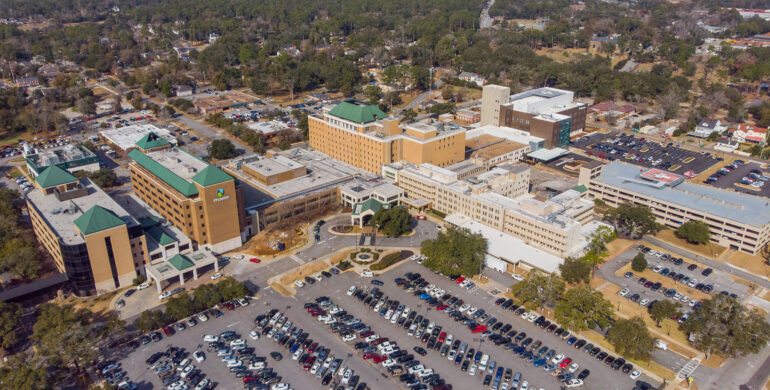
The symptoms aren’t subtle. Dr. Tim Connelly, an internal medicine physician at Memorial Health in Savannah, told CBS News that nausea, vomiting, diarrhea and abdominal pain are the most common complaints. Savannah hasn’t seen a major wave yet, he said, but trends suggest more infections are likely in the coming weeks.
Because norovirus spreads so easily — through contaminated surfaces, food and close contact — household outbreaks can move quickly. Connelly emphasized to CBS News that soap and water remain the best protection. Hand sanitizer helps, he said, but isn’t as effective against this particular virus. A 20-second wash is still the gold standard.
Cleaning routines matter too. Many everyday cleaners can’t kill norovirus, so Connelly advised using bleach-based products on high-touch areas like doorknobs, counters and bathroom surfaces. “Bleach kills a lot of things, particularly viruses,” he told CBS News.
For those who do get sick, staying hydrated is critical. Vomiting and diarrhea can cause dangerous electrolyte imbalances, and Connelly urged people to seek medical care if they feel faint, increasingly weak or if symptoms worsen.
A swab test can confirm norovirus, and Connelly told CBS News that anyone experiencing symptoms should contact their doctor. Testing helps rule out other treatable illnesses and ensures people get appropriate care as cases continue to rise.

-

The Takeout from CBS News Radio
Weekdays at 9pm
The Takeout with Major Garrett dives into politics, policy, pop culture and more every weeknight at 5 p.m. ET on CBS News 24/7. With the motto "relentlessly curious, steadfastly non-ideological," this never-take-yourself-too-seriously show harnesses the best and latest reporting from CBS News. Featuring unique guest interviews with lawmakers, actors, authors and others, investigative journalism, and the day's biggest events, the show simplifies and explains the complexities and acronyms of official Washington. Host Major Garrett is CBS News chief Washington correspondent, a fill-in and substitute anchor for CBS Evening News and Face the Nation, and a veteran journalist who has covered the White House for Fox News and CNN.
close  From CBS News
- White House files most detailed plans yet for Trump ballroom, East Wing renovation February 13, 2026The filing includes new renderings of the new East Wing, relative to other buildings close to the ballroom and from vantage points near the U.S. Capitol, Jefferson Memorial and points around the White House campus.
- Arizona sheriff in Nancy Guthrie search defends sending DNA to Florida lab February 13, 2026Pima County Sheriff Chris Nanos said the results that investigators have received from DNA testing in the Nancy Guthrie case so far haven't led to a suspect.
- Amazon ends Flock partnership after backlash over Super Bowl ad February 13, 2026Amazon's Ring unit touted a "search party" service in its Super Bowl ad, but one critic called the app a "surveillance nightmare."
- Athletes to watch from Team USA at the Winter Olympics February 13, 2026American athletes are going for the gold at the 2026 Milano Cortina Winter Olympics. These are some of the top Team USA competitors to watch.
- Girl looking for a date to a school dance was murdered a week later February 13, 2026Mary Kay Heese, 17, was found stabbed to death in a field in March 1969. Fifty-five years later, a suspect was arrested — someone who had been on investigators' radar for decades.
- Ilia Malinin misses Olympic medal after falling in free skate, finishes 8th February 13, 2026In a shocking twist at the 2026 Winter Olympics, American figure skater Ilia Malinin didn't make it to the podium after falling twice during the free skate. Kazakhstan's Mikhail Shaidorov took home the gold.
- Today's CPI report is the best inflation news in months. Here's why. February 13, 2026The inflation reading, the lowest since May 2025, shows grocery, gas and rent prices are cooling.
- DOJ drops case against 2 men accused of assaulting ICE, citing new evidence February 13, 2026A judge dismissed charges against two men charged with assaulting ICE officers after the Justice Department said "newly discovered evidence" was "materially inconsistent" with the allegations.
- What services would be affected by a DHS government shutdown? February 13, 2026Funding for the Department of Homeland Security will expire at the end of the day Friday. Here's what will be affected.
- 8/10/2025: The Cap Arcona; Jamie Lee Curtis February 13, 2026First, a report on the sinking of the Cap Arcona Nazi ship. And, Jamie Lee Curtis: The 60 Minutes Interview.
- White House files most detailed plans yet for Trump ballroom, East Wing renovation February 13, 2026
Post comments (0)