-
 play_arrow
Georgia NOW Live Streaming Now
-
 play_arrow
Bus To Sanity



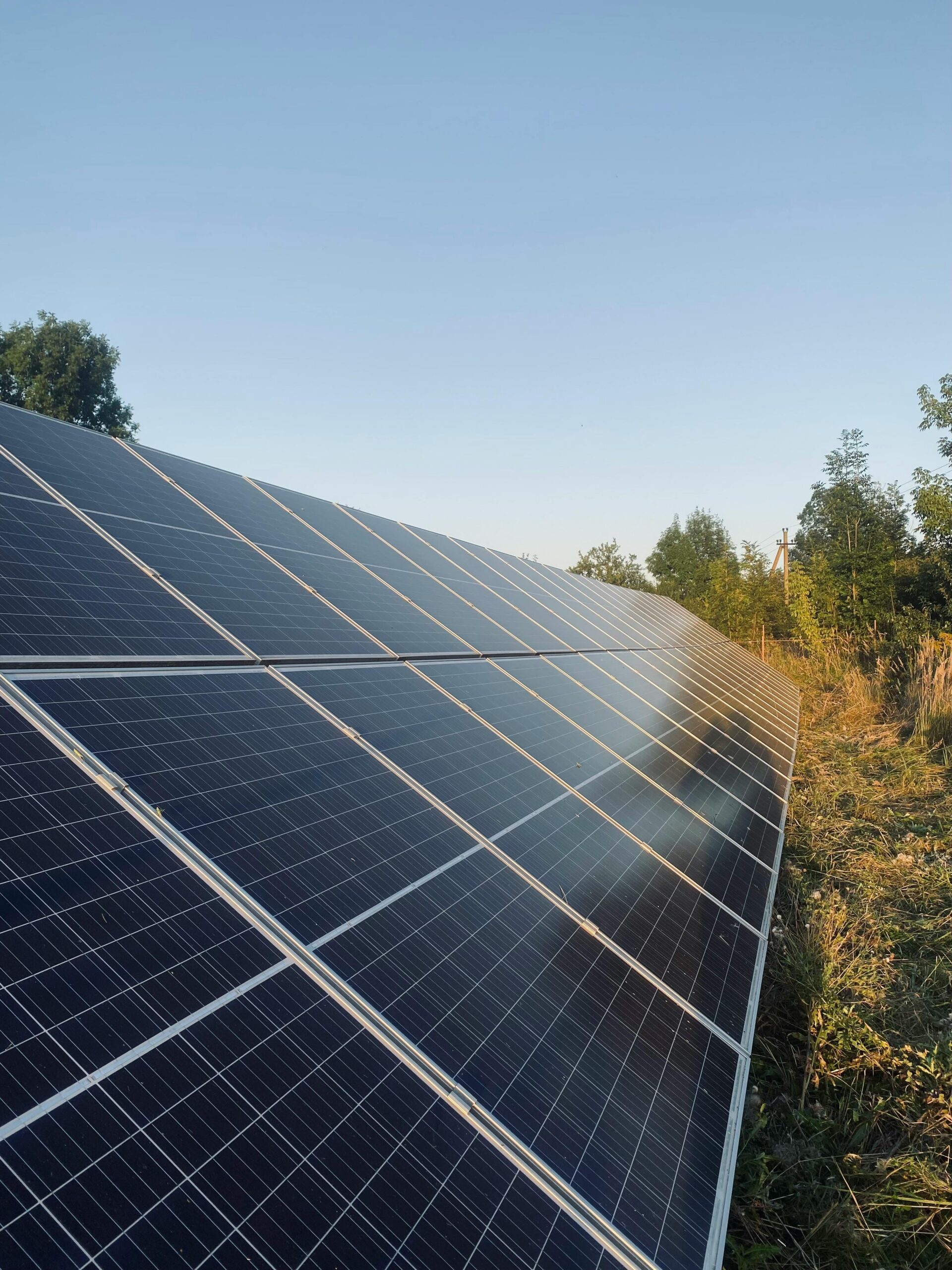
Georgia approves first-of-its-kind ‘bring your own clean energy’ program
The Georgia Public Service Commission voted unanimously on Tuesday to back a clean energy program that is the first of its kind.
The commission approved the Customer Identified Resource (CIR) Program, which will allow major energy customers to generate clean energy for the grid, according to the Corporate Energy Buyers Association.
The concept is known as “bring your own clean energy,” or BYONCE. Commercial and industrial companies will pay Georgia Power a monthly tariff in exchange for a renewable energy credit. Excess credits will be distributed to the entire power grid, according to the Atlanta Journal-Constitution.
“As national and state leaders seek to meet increasing economic demand while alleviating price pressure on ratepayers, Georgia’s program offers a smart solution that can serve as a model for other parts of the country,” said Nidhi Thakar, CEBA’s Senior Vice President for Policy, in a news release.
Adrien Webber, director of the Georgia Sierra Club, said this has been a goal of CEBA for a long time.
“We’ll be hearing more about the Bring Your Own Clean Energy program this summer at the PSC when the process begins,” he said.
Previously, companies had to rely on Georgia Power to add clean energy resources to the power grid or buy clean energy from other states, but now, they can work directly with developers to generate power themselves.
“With unprecedented economic development and electricity load growth in Georgia, energy customers want to strengthen the grid,” said Priya Barua, CEBA’s senior director of utility partnerships & innovation, in the release. “This new program gives large customers the opportunity to better match their loads with large-scale, customer-funded clean energy resources, ensuring companies with high energy demands can contribute meaningfully to the broader electricity system.”


-
The Thom Hartmann Program
Weekdays at 1pm
Thom Hartmann is a New York Times bestselling, four-times Project Censored Award-winning author and host of The Thom Hartmann Program, which broadcasts live nationwide each weekday from noon to 3pm Eastern. For 20 years, the show has reached audiences across AM/FM stations throughout the US, on SiriusXM satellite radio, and as video on Free Speech TV, YouTube, Facebook, and X/Twitter.
close  From CBS News
- Journalist helped defeat New York City's pinball ban April 11, 2026Journalist Roger Sharpe is known as the "The Man Who Saved Pinball," after he helped overturn New York City's 35-year ban on the game. "CBS Saturday Morning" sits down with Sharpe to discuss the 50th anniversary of a key moment in pinball history.
- Chess master Levy Rozman on bringing his favorite game to the masses April 11, 2026Chess master Levy Rozman join "CBS Saturday Morning" to discuss his newest book, "Chess for Babies," and how his online presence is changing the way people learn to play the game.
- Breaking down U.S. News & World Report's best graduate schools April 11, 2026LaMont Jones Jr., managing editor at U.S. News & World Report, joins "CBS Saturday Morning" to break down the 2026 list of best American graduate schools.
- The Uplift: Michael Jordan April 11, 2026Gayle King sits down with Michael Jordan to talk about the basketball super star's newest sports venture: NASCAR. Plus, more heartwarming news.
- Latest details in disappearance of American woman in Bahamas after husband's arrest April 11, 2026Lynette Hooker was reported missing in the Bahamas one week ago by her husband, Brian, who said she fell off their boat. Hooker was arrested on Thursday in connection to his wife's disappearance. "CBS Saturday Morning" speaks with people who knew the couple to learn more.
- Inflation skyrockets as Iran war impacts U.S. economy April 11, 2026U.S. inflation surged in March, with the Consumer Price Index rising at a 3.3% annual rate due to the Iran war's impact on global energy costs.
- U.S. and Iran negotiations underway in Pakistan as fragile ceasefire holds April 11, 2026U.S. and Iranian negotiations are underway in Islamabad, as the fragile two-week ceasefire holds. Meanwhile, traffic in the Strait of Hormuz remains low.
- What's next for space exploration after successful Artemis II mission April 11, 2026"CBS Saturday Morning" breaks down what's next for U.S. space exploration after the success of Artemis II.
- Artemis II crew successfully splashes down in Pacific, ending historic moon mission April 11, 2026The Artemis II crew successfully splashed down in the Pacific Ocean on Friday in the Integrity capsule, marking their return to Earth and ending the historic nine-day moon mission.
- Trump proposes covering executive office building's stone facade with white paint April 11, 2026The building sits across a driveway from the West Wing and was completed in 1888.
- Journalist helped defeat New York City's pinball ban April 11, 2026
Post comments (0)