

Category: Housing

  • Savannah police investigate severed Flock Cameras in Sweetwater Station

    Savannah police investigate severed Flock Cameras in Sweetwater Station

    Savannah police investigate severed Flock cameras in Sweetwater Station as residents push for reinstallation

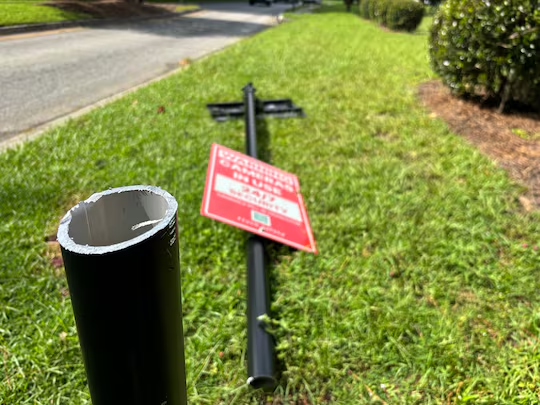
    Authorities in Savannah are probing an act of property destruction after two Flock Safety license plate readers were severed and knocked down at the entrance of the Sweetwater Station subdivision.
    Officers were dispatched to Clubhouse Drive following reports from Gregory Quinn, the community’s homeowners association director. According to police records, the surveillance hardware appeared to have been intentionally sliced with a saw overnight. Quinn noted the vandalism might stem from online friction, citing a prior disagreement on his personal social media account with a resident over the surveillance tools.
    Despite the incident, community feedback leans heavily toward restoring the devices. In a local survey of 33 residents, two-thirds favored reinstalling the hardware, while only four expressed outright opposition.
    Neighbor Derrick Williams expressed dismay after spotting the damage during his commute: “I drove by like ‘oh no man, it’s down.’ I’m in full support of flock, anything for safety.”
    Resident Bob Hellinger echoed that view, arguing the monitoring provides essential peace of mind. “It never bothered me, I don’t mind them when I’m driving in and out, I’m not doing anything wrong,” Hellinger said. He added: “It’d be nice to know who’s coming in and out of here, especially if an incident happens where a car gets sideswiped or, God forbid, a kid or something like that — we’ve got a record on camera of who is coming in and who’s leaving really fast, why isn’t that a good thing?”
    While some neighbors raised privacy concerns and questioned who manages the data feeds, Quinn clarified that police do not hold direct, ongoing access to the neighborhood-owned system, which was set up strictly to deter neighborhood crime.
    Civil liberties advocates caution against illicit destruction while encouraging lawful pushback against surveillance expansion. Christopher Bruce, deputy executive director of the American Civil Liberties Union, urged community members to channel their concerns through local governance: “You may like flock cameras, but you may like them in a certain area. You may want the data to be retained for a certain amount of time, or you may not want it at all. The point is, can you get your voice out?”
    The HOA’s surveillance agreement expires this November, with the board slated to evaluate long-term options at its upcoming September assembly.
  • Peachtree Circle Historic District Proposal Paused by Atlanta City Council

    Peachtree Circle Historic District Proposal Paused by Atlanta City Council

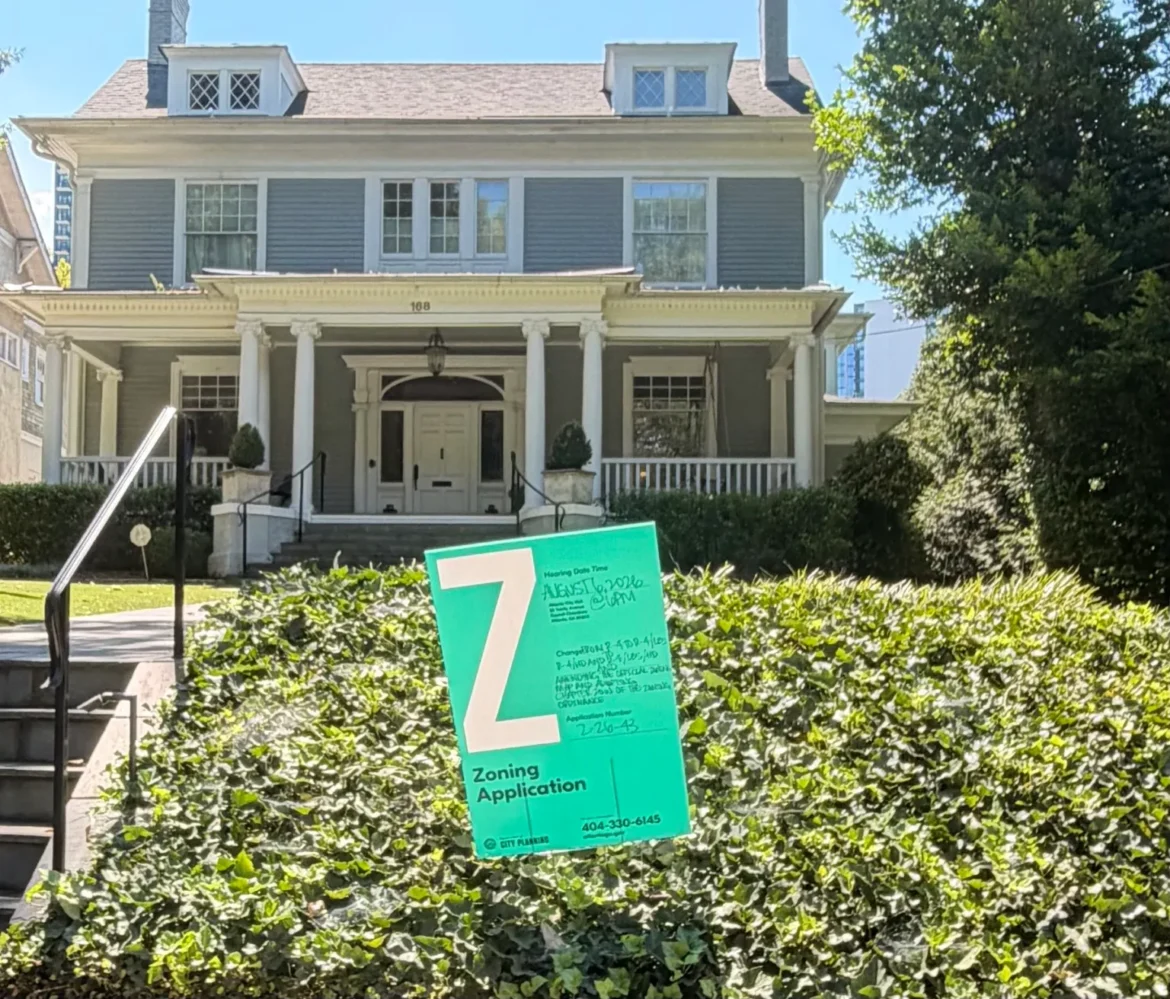
    Atlanta zoning committee pauses historic district designation for Peachtree Circle

    A year-long effort to establish a municipal historic district on Peachtree Circle in Atlanta’s Ansley Park has been paused by the Atlanta City Council Zoning Committee.

    Council member Alex Wan moved to shelve the proposal during a committee meeting Monday, Aug. 24, citing divisions within the neighborhood. He said he would reconsider bringing the ordinance before the full council if supporters can demonstrate a two-thirds “supermajority of support” by Sept. 8.

    Wan said the threshold reflects his longstanding approach to historic preservation in the neighborhoods he represents, rather than a formal legislative requirement.

    He said he wants to see two-thirds support from Peachtree Circle residents to “honor the pact that I’ve been making for decades with my community in terms of historic preservation.”

    Wan told Rough Draft Atlanta that a supermajority is “not a legislative requirement. Just a standard that I have been using with my neighborhoods.” He also said the fight over historic designation has a “highly litigious history with this particular topic in this neighborhood.”

    Ansley Park has been listed on the National Register of Historic Places since 1979, but that designation does not prevent demolition or require property owners to follow local preservation standards. A municipal historic district would provide those protections.

    Previous attempts to establish broader historic protections throughout Ansley Park have failed. Wan said at least three efforts have been made since he took office in 2010. Those proposals would have covered the entire neighborhood, while the current proposal is limited to Peachtree Circle.

    The current proposal covers 60 Peachtree Circle properties built between 1888 and 1934, along with structures reflecting the same architectural period.

    Supporters say the designation would protect an important piece of Atlanta’s architectural history. Opponents have raised concerns about potential effects on property assessments, taxes, home values and restrictions on renovations.

    As of Monday, 40 tax-paying Peachtree Circle residents support the proposal. Each unique parcel receives one vote under county tax records, whether it is a single-family home or part of a multifamily property.

    Robert Reed, assistant director of Atlanta’s Historic Preservation Studio, said, “There are a significant number of properties that are still in their historic configuration.”

    During Monday’s meeting, Council member Mary Norwood asked city officials to provide a detailed breakdown of how Peachtree Circle property owners plan to vote, separate from opinions submitted by other Ansley Park residents.

    David Y. Mitchell, executive director of the Atlanta Preservation Center, warned that delaying the designation could leave the neighborhood vulnerable to redevelopment.

    “We are dangerously close to losing something that can never be replaced,” Mitchell said.

    Council member Wayne Martin acknowledged the importance of preservation while emphasizing the need to respect neighborhood sentiment and the process established by council leadership.

    Supporters now have until Sept. 8 to build enough homeowner support for the proposal to return to the full Atlanta City Council.

  • Georgia lawmakers examine rising foster care costs amid $85M budget shortfall

    Georgia lawmakers examine rising foster care costs amid $85M budget shortfall

    Georgia lawmakers examine rising foster care costs amid $85M budget shortfall

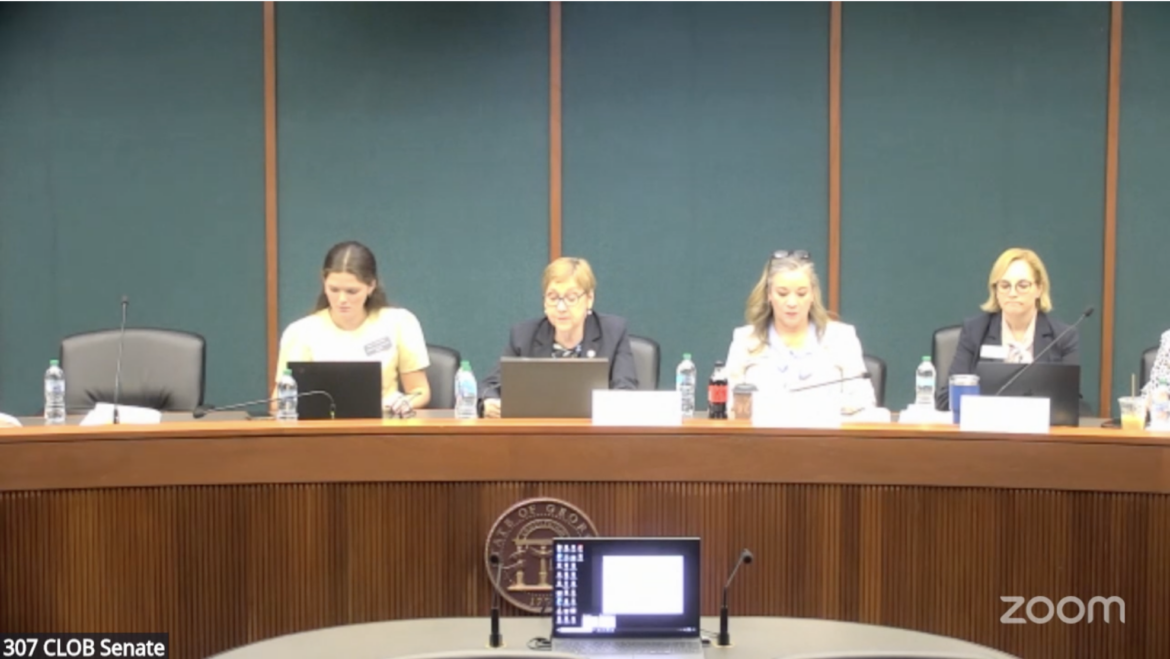
    A joint study committee of the Georgia General Assembly met Thursday to discuss the state’s foster care system amid rising costs.

    The Joint Study Committee on Evaluating Escalating Costs in Georgia’s Foster Care System was created to review the system, services and costs of those services.

    State Sen. Kay Kirkpatrick, co-chair of the committee, opened the meeting on Thursday saying the committee is the third of its kind in the past three years to examine these challenges. However, it is the first joint committee on the issue.

    “Many states are struggling with the rising costs of caring for foster children, particularly older children and those with medical or mental health needs, leading to a gap between available funding and the needs of the children in the system,” Kirkpatrick said.

    Georgia’s Division of Family and Children Services reported an $85 million shortfall in its budget. The deficit is due to a combination of reduced or delayed federal funds, increasing demand for the foster care system and increased operation costs and resulted in the reduction or elimination of certain services, according to the agency head.

    When Gov. Brian Kemp made an additional $300 million cut to the state budget to account for the cut in income taxes, $600,000 was taken from clothing and supplies for foster children.

    Wayne Naugle is a foster father and founder of Families 4 Families. He said he thinks local communities will need to fill the gap that the state is leaving.

    “I think it’s a really good time for our communities to step up, whether it’s communities or churches or social organizations,” Naugle said. “Not everyone can foster, but everybody can buy a backpack or help out with school clothes, and everyone can get a notebook, paper and pencils for kids.”

    Naugle said that in 2019, Georgia had about 7,500 foster homes. Today, that number has dropped to 4,500.

    The committee plans to have its next meeting on Sept. 17.

  • Warnock Housing Measure Becomes Law, Restricting Corporate Home Purchases

    Warnock Housing Measure Becomes Law, Restricting Corporate Home Purchases

    Warnock Housing Measure Becomes Law, Restricting Corporate Home Purchases

    Georgia’s housing affordability crisis could soon look different after a new federal law placed limits on how large private equity firms can expand their single-family home portfolios.

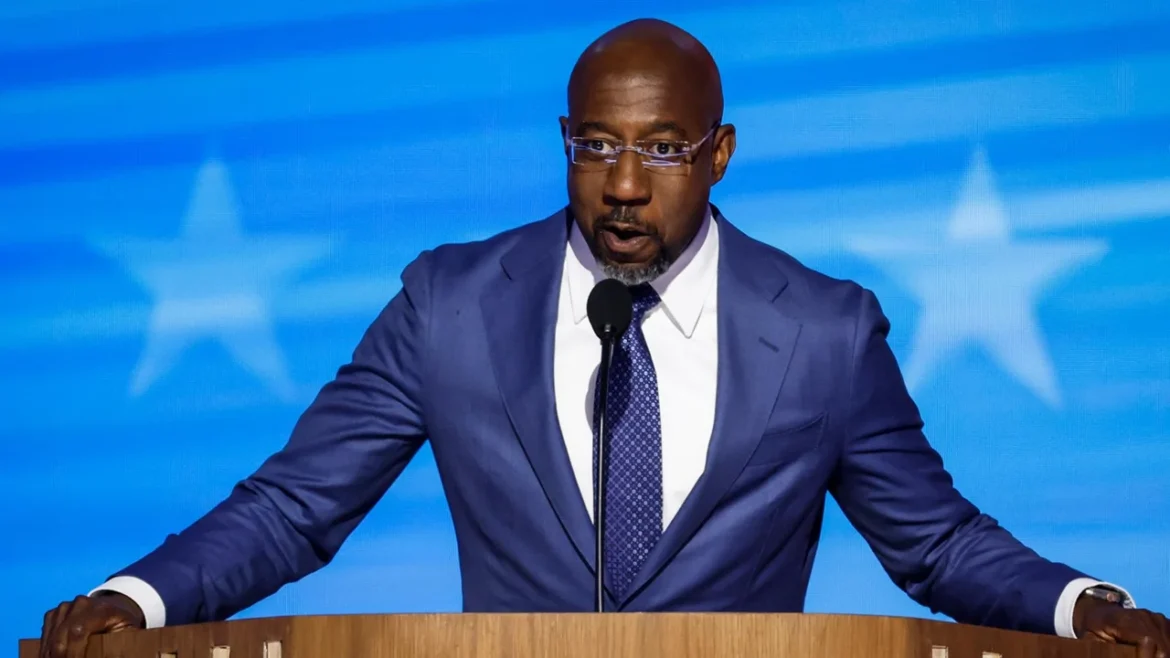
    The bipartisan legislation includes a provision championed by Sen. Raphael Warnock that prohibits major private equity firms from purchasing additional single-family homes. The measure became law after President Donald Trump neither signed nor vetoed the bill within the constitutional 10-day window while Congress remained in session.

    The restriction is part of the 21st Century ROAD to Housing Act, a sweeping housing package that also seeks to increase the nation’s housing supply, modernize the home appraisal process, strengthen rural housing programs and encourage local governments to build more homes.

    Warnock said the legislation responds to concerns he has heard from Georgians struggling to find affordable housing.

    “I hear from Georgians across the state who have been clamoring for action from Washington on the affordable housing crisis, and this legislation is proof that when we center the people instead of the politics, we can get good policy done,” he said in a statement.

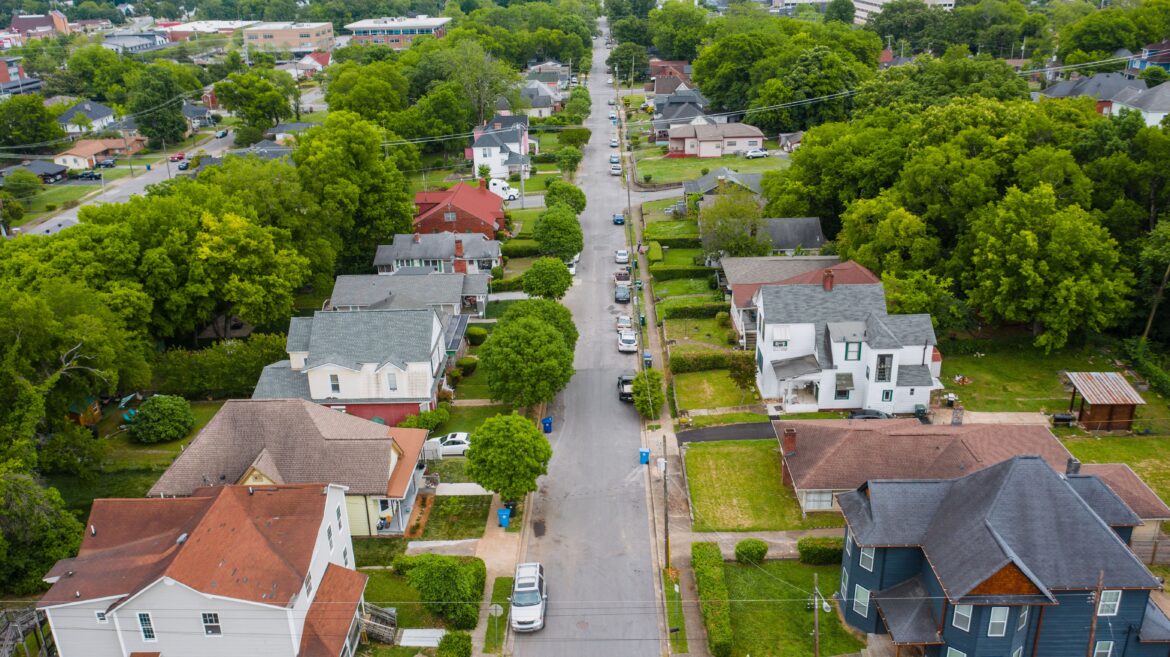
    The new law comes after years of debate over the growing influence of institutional investors in Georgia’s housing market. In metro Atlanta, corporate investors own more than 72,000 single-family rental homes, representing more than one-quarter of the region’s rental housing stock.

    Critics say those companies have made it more difficult for families to buy homes by submitting cash offers that many individual buyers cannot match. Warnock has argued that the growing corporate presence has shifted the housing market away from homeownership and toward investment profits.

    In addition to limiting future acquisitions by large private equity firms, the legislation offers incentives for new housing construction, reduces barriers to development, expands grants and forgivable loans for home repairs and weatherization, and updates several long-standing federal housing programs. It also incorporates Warnock’s Appraisal Modernization Act, which supporters say will improve fairness in the appraisal process.

    Supporters say the measure represents a broad federal effort to improve housing affordability by expanding housing opportunities and reducing the influence of large institutional investors in the single-family home market.

  • Restitution for hundreds of Georgia homeowners in MV Realty case

    Restitution for hundreds of Georgia homeowners in MV Realty case

    Restitution for hundreds of Georgia homeowners in MV Realty case

    A Florida real estate brokerage has been barred from doing business in Georgia after a court found its home sales program violated state law, clearing the way for hundreds of homeowners to receive restitution.

    The judgment requires MV Realty to pay $1 million to affected Georgians and removes the company’s Homeowner Benefit Agreements from property records across the state.

    State Attorney General Chris Carr said the company attracted homeowners with upfront cash payments but tied them to contracts lasting 40 years. Under those agreements, homeowners who sold their property without using MV Realty could be charged at least 3% of the home’s value. Similar penalties could also apply to property transfers and foreclosures.

    More than 3,300 Georgians signed the agreements, including a large number of older adults. According to Carr’s office, many participants did not fully understand the long-term financial commitments they were making.

    The court’s ruling stems from a lawsuit filed by the attorney general in 2024. In addition to the restitution order, MV Realty must cancel all Homeowner Benefit Agreement filings in Georgia. State officials said those filings functioned like liens, creating obstacles for homeowners seeking to sell, refinance or obtain reverse mortgages.

    More than 400 Georgians who paid early termination fees are expected to receive restitution through the attorney general’s office. Eligible homeowners who have not yet been contacted can visit consumer.ga.gov or call 404-651-8600 for assistance.

  • Warnock criticizes Trump after bipartisan housing bill stalls over SAVE Act dispute

    Warnock criticizes Trump after bipartisan housing bill stalls over SAVE Act dispute

    Warnock says Trump put politics ahead of housing as bipartisan bill remains unsigned

    A bipartisan effort to address the nation’s housing shortage hit an unexpected roadblock Wednesday after President Donald Trump declined to sign the 21st Century ROAD to Housing Act, prompting sharp criticism from Georgia Sen. Raphael Warnock.

    Warnock, who helped write one of the bill’s key housing provisions, said the president abandoned legislation that would have made it easier for families to compete in an increasingly expensive housing market. Trump has argued the bill should only move forward if it includes the SAVE America Act, an election proposal opponents say could restrict voter access.

    Metro Atlanta has become one of the country’s largest markets for institutional investors, with corporations controlling more than 70,000 single-family rental homes. Warnock’s proposal sought to slow that trend by preventing companies that already own more than 350 homes from buying additional single-family properties.

    The senator said that change would have helped level the playing field for prospective homeowners who often find themselves bidding against large investment firms.

    “Eighteen months into Donald Trump’s second term, life is worse for everybody except the ultra-wealthy,” Warnock said Wednesday. “Ordinary people aren’t able to make this economy work, and today this president had an opportunity to help working Americans. Instead, he made it about himself.”

    The housing package extended beyond corporate ownership limits. Lawmakers also approved provisions designed to encourage new home construction, strengthen rural housing programs, assist homeowners with repairs and weatherization projects, and hold communities accountable for meeting housing development goals.

    Another section of the legislation incorporated Warnock’s Appraisal Modernization Act, which would establish a pathway for homeowners to challenge property appraisals they believe undervalue their homes.

    Warnock argued the measure represented months of bipartisan negotiations focused on lowering housing costs rather than advancing a partisan agenda. He said refusing to sign the bill leaves families without tools Congress had already agreed could make homeownership more attainable.

    “If you are buying a home today, we had the opportunity to stop giant corporations from competing against your offer,” Warnock said. “The president refused to help you.”

    The senator also took aim at Trump’s demand that the SAVE America Act be attached to the legislation, calling it unrelated to the housing crisis and accusing the administration of distracting from affordability issues affecting families across the country.

    Congressional leaders have not announced when or whether the housing package will return for consideration, leaving its future uncertain despite overwhelming bipartisan support in both chambers.

  • Brookhaven residents to weigh in on proposed 40% property tax increase

    Brookhaven residents to weigh in on proposed 40% property tax increase

    Brookhaven property tax increase: Residents to weigh in before City Council vote

    Brookhaven residents could soon see a nearly 40% increase in the city’s operating property tax rate if the City Council approves a proposal up for a vote Tuesday evening.

    The proposal would raise Brookhaven’s operating millage rate from 2.74 mills to 3.85 mills. City officials say the increase is needed to keep pace with rising costs and maintain city services.

    Brookhaven residents will have two chances Tuesday to weigh in on the proposal before the City Council votes on the measure later that evening.

    Some residents say they understand the financial pressures facing the city but still have concerns about the size of the proposed increase. Bill Dynan, president of the LaVista Park Civic Association, said many residents were surprised by the proposal and want more information about how city leaders arrived at the nearly 40% increase.

    “The city’s in a tough position,” Dynan said. “They’re squeezed between rising costs and having put a freeze on their residential assessments.”

    Dynan said residents have questions about why such a large increase is necessary and are looking for additional details before supporting the measure.

    “I think people are concerned about the millage rate going up because they thought that was not going to happen,” he said.

    The LaVista Park Civic Association represents more than 200 members in a neighborhood of roughly 650 homes.

    Brookhaven will hold public hearings on the proposed tax increase at 10:30 a.m. and 6:30 p.m. Tuesday at Brookhaven City Centre. Residents will have an opportunity to address city leaders before the City Council votes on the proposed millage rate later that evening.

  • Georgia child well-being progress stalls, Kids Count report finds

    Georgia child well-being progress stalls, Kids Count report finds

    Georgia child well-being progress stalls, Kids Count report finds

    After years of steady improvement, Georgia’s progress on child well-being has stalled, according to the 2026 Kids Count Data Book.

    The report examines data related to youth outcomes and ranks Georgia as the 39th state in the nation for overall child and family well-being.

    Jacquan Jordan is the data manager for the Georgia Family Connection Partnership. He said one of the largest warning signs is the rate of babies born at a low birth weight. In the U.S., 8.5% of babies meet that metric. 

    “Very high for a developed nation,” Jordan pointed out. “For us as a state to have 10.3%, it really is one of those indicators for us to pay particular attention to, especially considering that is an indicator that also tells you about food nutrition in the community, access to prenatal care.”

    Several metrics in the report were found to be worse compared to data in 2019. Housing has become much less affordable, and education metrics around reading and math proficiency have seen a downturn. 

    Jordan said Georgia can implement meaningful interventions now or fall further behind.

    Leslie Boissiere is the vice president of external affairs for the Annie E. Casey Foundation, the organization that publishes the report. She said the data reflects the daily realities of children and families in the state.

    “It’s a child who either has enough to eat or doesn’t have enough to eat,” Boissiere explained. “It’s a child who is either in a stable home and has access to quality education to put themselves on the pathway to thrive, or it’s a child who doesn’t have those necessities.”

    Some positive trends that the report highlighted are less children living in poverty, high school students graduating on time and less teen births.

  • Iranian Atlantians struggle to contact family as unrest disrupts communication

    Iranian Atlantians struggle to contact family as unrest disrupts communication

    Iranian Atlantans struggle to contact family as unrest disrupts communication

    Iranian Americans in metro Atlanta say they are anxiously waiting for messages from loved ones as unrest continues in Iran.

    “It’s been very exciting, but also very stressful at the same time,” said Mayra Yazdari. “We’re worried… it’s kind of like an emotional roller coaster.”

    Yazdari, who has lived in the United States for nine years, said the first hours of the unrest were filled with texts and calls from relatives inside Iran. But internet disruptions have made communication unreliable, leaving many checking their phones and hoping messages get through.

    She said friends back home have told her they are ready for change.

    “What I hear from close friends is, ‘We are willing to go back to the streets, but we need help,’” Yazdari said.

    For Yazdari, the situation is deeply personal. She said she hopes to one day safely return to Iran and see her family again.

    “We are hoping that we can go back, at least see our families, see our relatives, see our friends, see the country, and help to build the country for the next generation,” she said.

  • Georgia’s housing crisis leaves families running in place

    Georgia’s housing crisis leaves families running in place

    Georgia’s housing crisis leaves families running in place

    When 14-year-old Na’Kaya Godfrey gets home from school in Stone Mountain, she turns on the space heaters. They are the only source of warmth in the unheated house — the latest stop in a childhood defined by moving.

    On her dresser sits a sign that reads “Home, Sweet Home.” She estimates this is the 26th place her family has lived.

    Her mother, Jaimie Godfrey, 35, has been evicted, forced to leave rentals and shuffled her children between basements, extended-stay motels, rooming houses and, at times, their car. They have washed up in gas station bathrooms, lost belongings in storage units and watched their possessions piled on curbs.

    Na’Kaya once asked her mother why they move so much. “Do they not like us?” she wondered.

    Jaimie tells her she’s just “having a hard time.”

    That hardship reflects a broader crisis. As rents surge and wages lag, eviction rates have climbed in cities including Atlanta. Families who are doubled up or constantly moving often aren’t counted as homeless, but the instability can be just as damaging.

    For children, the effects are immediate and long-term. Research shows housing instability increases absenteeism, behavioral problems and lower test scores. Evicted children can fall behind academically by a year and are less likely to graduate.

    Na’Kaya struggles with anxiety. She calls her mother repeatedly during late work shifts, unable to rest until she hears her voice. Junior, 12, acts out in school. Both say they only feel safe when the family is together.

    Experts say this pattern is increasingly common. “The reason we’re seeing record-breaking homelessness is a basic mismatch between incomes and what it costs to live,” said journalist Brian Goldstone. “That chasm is growing wider.”

    Children are now the group most likely to experience homelessness in the United States. Black families face disproportionately high eviction rates, and single mothers — like Jaimie — are especially vulnerable.

    Jaimie has always worked. She has managed retail stores, staffed construction sites, baked pies for sale, braided hair, worked fast food and home health jobs — often juggling multiple roles. Still, the math never works. She has been waiting for housing assistance since 2017, but Atlanta’s voucher list has effectively been closed for years.

    Government policy shifts have added new uncertainty. Proposed work requirements and cuts to rental assistance could make housing support harder to access, even as rents continue rising.

    Community support has filled some gaps. A church friend helps cover the $1,275 monthly rent and bring groceries when food stamps run low. But even aid systems come with hurdles: childcare subsidies require proof of work hours — something nearly impossible to show without childcare in the first place.

    “It gets to a point that it’s a catch-44,” one supporter said.

    Some local programs show promise. In Atlanta, the Standing With Our Neighbors initiative embeds lawyers and social workers in schools to prevent evictions. Schools participating in the program have seen attendance and academic gains improve when families remain housed. But funding cuts threaten expansion.

    Meanwhile, instability continues at home.

    Recently, Jaimie lost another job when the childcare center where she worked shut down. The kids missed school after oversleeping. Rain leaked through the roof. She spent nearly half the money left in her bank account on chicken legs to make sure her children ate.

    Na’Kaya retreats to her room under blue twinkle lights. She wants to become a doctor or an entrepreneur. She says she likes schoolwork. It’s just hard to focus when worry crowds her mind.

    “I thought Atlanta was a good place for everyone,” she said quietly. “But it pretty much don’t seem like that.”

    The family’s lease ends in March. They don’t know where they’ll go next.

    For families like the Godfreys, the crisis isn’t just about rent. It’s about safety, stability and the harsh toll of constantly starting over.