


Category: Health

  • Liberty Mutual, Safeco to cut insurance rates for Georgia drivers

    Liberty Mutual, Safeco to cut insurance rates for Georgia drivers

    Liberty Mutual, Safeco to cut insurance rates for Georgia drivers

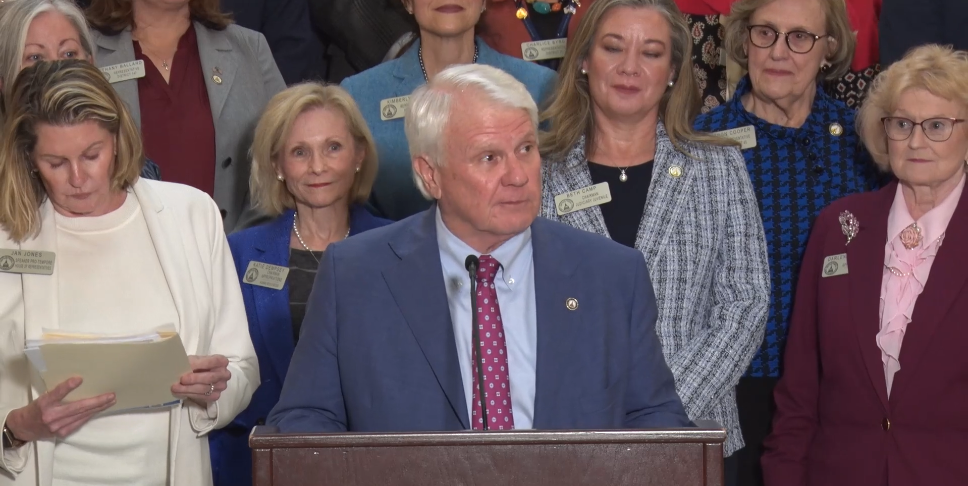
    Three insurance companies are lowering rates for Georgia customers, according to an announcement from Georgia Insurance and Safety Fire Commissioner John F. King.

    In a WSB-TV report, King’s office said Liberty Mutual and two Georgia-based offices of its subsidiary Safeco will offer rate reductions for policyholders, with Liberty Mutual customers seeing an average decrease of nearly 6%. The reductions follow a similar move by State Farm Insurance, which lowered rates for Georgia customers in November.

    “These reductions are the latest addition in a developing trend of major insurance savings for Georgia families, showcasing the state’s growing and competitive industry,” King said in a statement. “As we continue the OCI mission to build a fair and affordable insurance marketplace, I am confident that we will see rates further decline across Georgia.”

    According to the commissioner’s office, the changes are expected to bring “meaningful savings for drivers across the state” and reflect continued investment by the companies in Georgia’s insurance market. Officials also said the rate cuts expand competitive options for consumers.

    The approved rate reductions include:

    • Safeco Insurance Company of Illinois: 5.1%
    • Safeco Insurance Company of Indiana: 4.9%
    • Liberty Mutual Personal Insurance Company: 5.7%

    King’s office said the savings represent early results from tort reform legislation approved during the 2025 legislative session, which the commissioner supported. The law is intended to help stabilize the insurance market and improve long-term affordability for Georgia consumers.

  • Georgia doubles top maternity care hospitals, adds 5 to U.S. News list

    Georgia doubles top maternity care hospitals, adds 5 to U.S. News list

    Georgia doubles top maternity care hospitals, adds 5 to U.S. News list

    Georgia more than doubled the number of hospitals recognized for maternity care in the latest U.S. News & World Report rankings.

    U.S. News lists seven Georgia hospitals in its 2026 Best Hospitals Report for maternity care. The state only had two hospitals on the list for the 2025 report.

    Jennifer Winston, a health data scientist, spoke with Georgia Public Broadcasting and said the hospitals provide critical care for communities that might not have access to other avenues for maternity care.

    “So, they’re really the last bastion against their community becoming a maternity care desert,” she said.

    However, the state still ranks 45th for preterm birth with a rate near 12% and received an F grade from the March of Dimes’ 2025 Report Card.

    “Behind every data point is a family, and in Georgia, we’re working every day to make sure they aren’t navigating this journey alone,” said Tamara Mason, director maternal and child health collective impact for the March of Dimes Georgia, in a news release. “We’re meeting families where they are, in their communities, their homes, and their care settings, to make it easier for moms to get the support and resources they need for a healthy pregnancy and a strong start for their babies.”

    The state’s seven best hospitals are:

  • Warnock backs Ossoff in 2026, warns of rising healthcare premiums

    Warnock backs Ossoff in 2026, warns of rising healthcare premiums

    Warnock backs Ossoff in 2026, warns of rising healthcare premiums

    U.S. Sen. Raphael Warnock, D-Ga. has high hopes for his colleague in the 2026 election and expressed growing concern for rising healthcare premiums.

    When he appeared on NBC’s “Meet the Press,” Warnock was questioned about Sen. Jon Ossoff’s, D-Ga., ability to maintain his seat. Warnock quickly responded.

    “Oh, we’re going to win Georgia,” Warnock said with a smile. “Georgia has saved the nation before. Remember, Jon Ossoff and I literally flipped the Senate, and Georgia’s going to show up again. He’s doing the work, fighting for health care, fighting for affordability, and we’re going to win Georgia.” 

    Both Warnock and Ossoff recently voted to pass a Democratic bill that would extend Affordable Care Act subsidies for three years, but it failed to advance in the Senate.

    Ossoff spoke on the Senate floor before the vote saying Georgians will suffer if the subsidies expire.

    “My constituents cannot afford this,” he said. “And some of my constituents cannot survive it.”

    Both Ossoff and Warnock voted against a Republican-sponsored bill that would give money to health saving or HSA accounts of low-income Americans. That bill also failed in the Senate, according to Georgia Public Broadcasting.

    When asked about healthcare premiums increasing on NBC, Warnock said although he is hopeful they can find a solution, Republicans control Congress and the White House, and he said they have failed to act 13 times to stop premiums from increasing.

    “It’s people in red districts and red states that will be disproportionately impacted by these premiums that are set to double in a matter of weeks, triple for some people, quadruple for others,” Warnock said. 

    “If you live in Claxton, Georgia, if you live in rural America, even if you have wealth and resources, and you’re having a stroke, and there’s no ICU within a reasonable distance because of these draconian cuts, you are impaired. Your life is in peril. You are in trouble. We can do better than this.”

  • Norovirus cases rising in Georgia and South Carolina as winter begins

    Norovirus cases rising in Georgia and South Carolina as winter begins

    Norovirus cases rising in Georgia and South Carolina as winter begins

    Norovirus infections are climbing across Georgia and South Carolina as winter settles in, prompting health experts to stress a familiar message: wash your hands well, clean shared spaces and stay alert to signs of dehydration. CBS Newsreports that CDC surveillance and wastewater readings show cases rising nationwide, with the Southeast now seeing a steady uptick.

    The symptoms aren’t subtle. Dr. Tim Connelly, an internal medicine physician at Memorial Health in Savannah, told CBS News that nausea, vomiting, diarrhea and abdominal pain are the most common complaints. Savannah hasn’t seen a major wave yet, he said, but trends suggest more infections are likely in the coming weeks.

    Because norovirus spreads so easily — through contaminated surfaces, food and close contact — household outbreaks can move quickly. Connelly emphasized to CBS News that soap and water remain the best protection. Hand sanitizer helps, he said, but isn’t as effective against this particular virus. A 20-second wash is still the gold standard.

    Cleaning routines matter too. Many everyday cleaners can’t kill norovirus, so Connelly advised using bleach-based products on high-touch areas like doorknobs, counters and bathroom surfaces. “Bleach kills a lot of things, particularly viruses,” he told CBS News.

    For those who do get sick, staying hydrated is critical. Vomiting and diarrhea can cause dangerous electrolyte imbalances, and Connelly urged people to seek medical care if they feel faint, increasingly weak or if symptoms worsen.

    A swab test can confirm norovirus, and Connelly told CBS News that anyone experiencing symptoms should contact their doctor. Testing helps rule out other treatable illnesses and ensures people get appropriate care as cases continue to rise.

  • Trump’s $12 billion farm aid package could offer short-term relief for struggling Georgia producers

    Trump’s $12 billion farm aid package could offer short-term relief for struggling Georgia producers

    Trump’s $12 billion farm aid package could offer short-term relief for struggling Georgia producers

    Georgia farmers are calling a new $12 billion federal aid package a much-needed lifeline as they confront rising production costs and years of unstable crop prices. The one-time assistance, announced this week by President Trump, is expected to reach producers before the end of February. Farmers told CBS News that the aid would help them secure the loans they need for the upcoming planting season.

     Lee Nunn, has farmed cotton, wheat, soybeans and corn for decades. But he told CBS News that recent years have been the most financially punishing he can remember. “Everything we touch has gone up a lot — 20% or more,” he said, listing fuel, fertilizer and equipment as the biggest pressures on the bottom line. The aid package includes $11 billion for row crops and $1 billion for specialty crops, funding meant to offset losses from increased tariffs on China.

    Nunn said the payment will largely go toward paying down equipment debt. “It’s not a solution,” he added. “It’s a temporary fix.”

    Georgia Agriculture Commissioner Tyler Harper agreed the funding will stabilize farms until larger provisions of the “One Big Beautiful Bill Act” — a sweeping $60 billion agricultural investment — begin next fall. In remarks reported by CBS News, Harper said the act aims to raise crop price guarantees, expand overseas markets and make insurance more affordable. He emphasized agriculture’s role in national security, calling the aid “a huge win for American agriculture and for Georgia producers.”

    As grocery prices remain elevated, farmers hope stronger domestic production will eventually ease consumer costs. But they also note another mounting challenge: labor. While many support higher pay for workers, they say rising wages add yet another strain on already thin margins, making federal relief all the more essential.

  • Georgia DPH seeks $8.9M to expand Home Visiting Program to improve maternal, infant health

    Georgia DPH seeks $8.9M to expand Home Visiting Program to improve maternal, infant health

    Georgia DPH seeks $8.9M to expand Home Visiting Program to improve maternal, infant health

    The Georgia Department of Public Health (DPH) presented its yearly budget requests to the members of the House Appropriations Health Subcommittee Monday.

    Dr. Kathleen Toomey, commissioner of DPH, said that half of the department’s funds come from federal sources, and half of its staff is federally funded.

    The department requested to expand its Home Visiting Program, which provides free services for expectant mothers from pregnancy until the first year of their baby’s life. The program is part of an initiative to lower maternal and infant mortality in the state.

    “This program really evolved out of the needs identified at a time when many of you came to me saying, ‘What can we do to address maternal mortality in this state?’” Toomey said. “Many of the things that we are doing within the home visiting really address mother and baby, which was the intention.”

    The program currently reaches 75 counties.Toomey said the goal is to reach all 82 counties that do not have an OB/GYN. She said 108 counties in Georgia do not have a delivery hospital, and according to the DPH website, 60% of pregnancy-related deaths in Georgia were preventable.

    The program costs about $112,000 per county to implement, and the department requested an additional $8.9 million to fund the additional counties, Toomey said.

    “It has such tremendous outcomes already, but it really is very cost effective. It’s a bargain if you look at those outcomes,” she said.

    State Rep. Carolyn Hugley, D-Columbus, the House minority leader, asked how the recent changes to vaccine recommendations could impact infant health in the state.

    Toomey said she worked on the initial trials for the Hepatitis B vaccine and feels strongly about its safety. She assured the representatives that the vaccine is still available even though the Centers of Disease Control and Prevention panel changed its recommendation.

    “Our job now is to ensure every parent who is confronted with the shared decision-making about this vaccine gets accurate information about its efficacy, the necessity in their particular case and the safety of it,” she said. 

    The committee heard from other public health agencies in the state about their funding needs and the work they have done this year. The following groups presented at the hearing.

    • Georgia Department of Public Health
    • Georgia Department of Community Health
    • Georgia Board of Health Care Workforce
    • Office of Health Strategy
    • Composite Medical Board
    • Georgia Dental Board
    • Georgia Pharmacy Board
    • Georgia Drugs and Narcotics Agency
    • Georgia Trauma Commission
  • Cold weather settles in: What to know about thermostats and freezing temps in Georgia

    Cold weather settles in: What to know about thermostats and freezing temps in Georgia

    Cold weather settles in: What to know about thermostats and freezing temps in Georgia

    The Christmas season is in full swing, and winterlike conditions are becoming more common in Georgia. The Augusta Chronicle reports that temperatures are already dipping across the state and expected to fall further in the coming weeks, though winter does not officially start until the winter solstice on Dec. 21.

    Georgians and their thermostats

    Georgia Power advises customers to keep indoor temperatures at 68 degrees during colder months. The utility notes that raising the thermostat by even a single degree can boost heating costs by 3% to 4%.

    Many households face a familiar challenge this time of year: warm afternoons followed by chilly nights. The swings can force residents to switch manually between heating and cooling. Georgia Power says smart thermostats, which adjust automatically, can help reduce that back-and-forth.

    Staying warm without driving up your bill

    Georgia Power recommends the following steps to conserve energy while keeping your home comfortable:

    • Confirm your home has adequate insulation.
    • Let sunlight in during the day; close curtains and blinds at night.
    • Replace air filters monthly and make sure heating vents aren’t blocked.
    • Consider using an electric blanket.

    If using a space heater, keep it clear of furniture, curtains, and water sources, avoid covering the cord with rugs, and do not use it with an extension cord. Turn it off before you leave home or go to sleep.

    Freezing temperatures

    Areas including Athens, Atlanta and Macon could see freezing conditions on Tuesday and Wednesday, according to The Weather Channel. Temperatures are expected to dip below 32 degrees again next Monday in those cities, as well as in Augusta and Columbus. Southern and coastal regions such as Savannah are not currently forecasted to reach freezing levels over the next month, but AccuWeather shows lows in the 30s during Christmas week. Meteorologists note that long-range projections may change as the holiday approaches.

  • Audit finds Georgia’s rural hospital tax credit brings millions but falls short of growing needs

    Audit finds Georgia’s rural hospital tax credit brings millions but falls short of growing needs

    Audit finds Georgia’s rural hospital tax credit brings millions but falls short of growing needs

    A Georgia tax credit provides millions of dollars to struggling rural hospitals, but it’s not enough to fund growing needs in these communities.

    A recent state audit conducted by the Fiscal Research Center at Georgia State University found that Georgia’s Rural Hospital Tax Credit program has generated more than $432 million for rural hospitals since its inception in 2017. The audit also found that the program costs the state nearly $80 million while adding more than $25 million to the economy.

    Jimmy Lewis, CEO of Hometown Health, told the Georgia Recorder that the cost to the state is minimal compared to the benefit it brings to rural communities.

    “If we don’t provide vehicles like this to preserve economic development in rural Georgia, we’re going to accelerate to a third-world nation beyond anything we can imagine … we’ve got very problematic situations where we don’t have the money,” Lewis said in an interview with The Georgia Recorder. “Again, these hospitals were built in the mid-50s and haven’t been totally upgraded since then, and as a result, we’ve got a real infrastructure problem.”

    A recent study by the Georgia Health Initiative found that the One Big Beautiful Bill Act would result in a loss of nearly $626 million of federal funding in rural hospitals. The study also found that 20%, or 91,274 people, of the estimated newly uninsured Georgians will live in rural areas, further increasing the burden on rural hospitals and medical facilities.

    Leah Chan, director of health justice at Georgia Budget and Policy Institute, told the Georgia Recorder that although the tax credit helps struggling hospitals, it does not provide enough financing to meet the needs of rural communities.

    “I think what this audit shows is that it has generated more than $432 million in support for rural hospitals statewide,” Chan said in an interview with the Georgia Recorder. “So that is certainly a benefit. Again, no one solution is going to fix all our problems, and we need to access additional levers that allow us to draw down additional federal funds and to ensure we can cover more eligible Georgians.”

    The Center for Healthcare Quality and Payment Reform published a report in October saying that 21 of Georgia’s 71 rural hospitals were at risk of closure, with 10 of those being at immediate risk.

  • SNAP Cuts, Delayed Benefits, and Post-Shutdown Fallout Drive Severe Hunger Across Georgia

    SNAP Cuts, Delayed Benefits, and Post-Shutdown Fallout Drive Severe Hunger Across Georgia

    SNAP Cuts, Delayed Benefits, and Post-Shutdown Fallout Drive Severe Hunger Across Georgia

    Georgia families are facing a worsening food crisis as the effects of the 43-day federal government shutdown collide with newly tightened Supplemental Nutrition Assistance Program (SNAP) rules mandated under a GOP tax-and-spending law. Reporting across the state finds that even though federal operations have resumed, food insecurity continues to escalate.

    USDA Pushes Forward on SNAP Restrictions During Shutdown

    The Republican tax and spending bill, passed by the U.S. House on May 22 and backed by President Donald Trump, would shift more than $22 billion in SNAP benefits and administrative costs to states for the first time. 

    The U.S. Department of Agriculture continued directing states toward compliance with the new federal law throughout the shutdown. In an interview with Politico, Agriculture Secretary Brooke Rollins showed interest in requiring some beneficiaries to reapply, despite periodic income certifications. 

    Rollins also said she instructed agency personnel to move ahead with implementing stricter work requirements, new state cost-sharing rules, and immediate eligibility cuts for certain legal immigrants. Meanwhile, refugee-support organizations raised alarms about the immediate removal of eligibility for humanitarian immigrants, including refugees. 

    According to Reuters, policy experts and the Congressional Budget Office say the cost-shift and new work-requirement expansions could force states to tighten eligibility or exit the program, pushing a combined 4.5 million people off SNAP in an average month.

    Dottie Rosenbaum, director of federal SNAP policy at the Center on Budget and Policy Priorities, told Politico that while families felt the disruption acutely when benefits were delayed or paused, the permanent changes are more concerning. 

    “The [One Big Beautiful Bill Act] is the largest cut in the program’s history,” Rosenbaum said. “That is also going to be really deeply felt.”

    Shutdown Fallout Overwhelms Local Food Banks

    In Georgia, the shutdown’s damage was already evident before the new rules fully took hold. 11Alive News reported that the Atlanta Community Food Bank tapped into $5 million in emergency reserves to handle the surge in need. 

    CEO Kyle Waide told the outlet that demand across the bank’s 29-county service region has soared, reaching levels about 70 percent higher than three years ago.

    Teachers, firefighters, public-sector workers, and TSA employees all found themselves suddenly unable to cover basic food costs as benefits and paychecks stalled. 

    “Folks are facing even more pressure on their basic resources,” Waide said, noting that many families are still juggling missed bills and backlogged expenses.

    Partial or Missing SNAP Payments Push Thousands Into Crisis

    Even after federal operations resumed, many Georgia recipients still did not receive full November SNAP benefits on time. Fox 5 Atlanta reported that some people received only partial assistance, while others received nothing at all, creating a cascading effect on food banks and emergency providers.

    The Grocery Spot and the nonprofit Remerge told the news station that clients are now shifting money away from other crucial bills to cover food costs. 

    “They’re stuck, trying to figure out how they’re going to pay rent Dec. 1 because the money they allot for rent has gone to pay for food,” director Christy Betz said.

    Record Demand Ahead of Thanksgiving

    By Thanksgiving week, metro Atlanta food pantries were overwhelmed. Atlanta News First reported long lines in Gwinnett, Cobb, and Spalding counties as families sought holiday meal boxes. 

    With stricter federal rules becoming law and thousands still catching up from delayed benefits, food-assistance providers say the hunger crisis is likely to persist through winter. 

  • Georgia Fails Another Preterm Birth Rate Report

    Georgia Fails Another Preterm Birth Rate Report

    Georgia Fails Another Preterm Birth Rate Report

    Georgia received an F grade for its preterm birth rate in the March of Dimes’ 2025 Report Card, placing the state among the lowest-ranked in the country for maternal and infant health.

    The report, released on World Prematurity Day, shows Georgia’s preterm birth rate held at 11.8% in 2024, the same as the previous year. Preterm birth — delivery before 37 weeks of pregnancy — remains one of the most common causes of infant death. The United States as a whole earned a D+, with a national rate of 10.4%.

    Dr. Michael Warren, chief medical and health officer for March of Dimes, told Axios the lack of progress nationwide should sound alarms. “It’s deeply frustrating,” he said, adding that the country has long known the major risk factors for preterm birth, including hypertension, chronic stress and inadequate prenatal care.

    Racial disparities remain among Georgia’s most persistent challenges. From 2021 to 2023, the preterm birth rate for Black infants in Georgia reached 15%, far higher than the state average. American Indian and Alaska Native infants had a rate of 14.6%, while white infants were at 10.3%.

    Warren said the gaps are driven by social and economic conditions rather than biological factors.

    March of Dimes estimates that 14,907 babies in Georgia were born preterm in 2024. Between 2020 and 2023, 94 Georgia counties recorded preterm birth rates higher than the statewide average.

    State lawmakers have expanded Medicaid postpartum coverage and invested in maternal home-visiting programs, but advocates say more work is needed to improve access to care and reduce risks before pregnancy begins.

    “Behind every data point is a family,” said Tamara Mason, maternal and child health director for March of Dimes Georgia. She said the organization is working to expand research, mobile health centers and policy advocacy aimed at strengthening care for families across the state.