-
 play_arrow
Georgia NOW Live Streaming Now
-
 play_arrow
The Politics Bar After Hours - The Benchers



Advocates urge state leaders address PFAS risks to Georgia water supplies
Advocacy groups across Georgia are raising concerns about PFAS — commonly known as “forever chemicals” — as evidence continues to show their presence in drinking water supplies, particularly in parts of northwest Georgia near industrial operations.
PFAS are a large group of manmade chemicals that have been used for decades in manufacturing and consumer products. Once released, they can persist in the environment and move through water systems in ways that are difficult to stop. Rachel Rodgers, managing toxicologist at Gradient, said that mobility makes exposure hard to control.
“People can be exposed to PFAS when they use consumer products that contain PFAS or when they consume food that was grown or raised in PFAS-contaminated areas,” she said.
Researchers are still working to fully understand the health effects of PFAS exposure, Rodgers said, but studies to date have linked some of the chemicals to a range of possible outcomes. Research suggests certain PFAS may affect the immune system, pregnancy outcomes and cholesterol levels, while other studies have found potential links to some cancers. With more than 9,000 PFAS compounds identified, she said only a limited number have been closely examined.
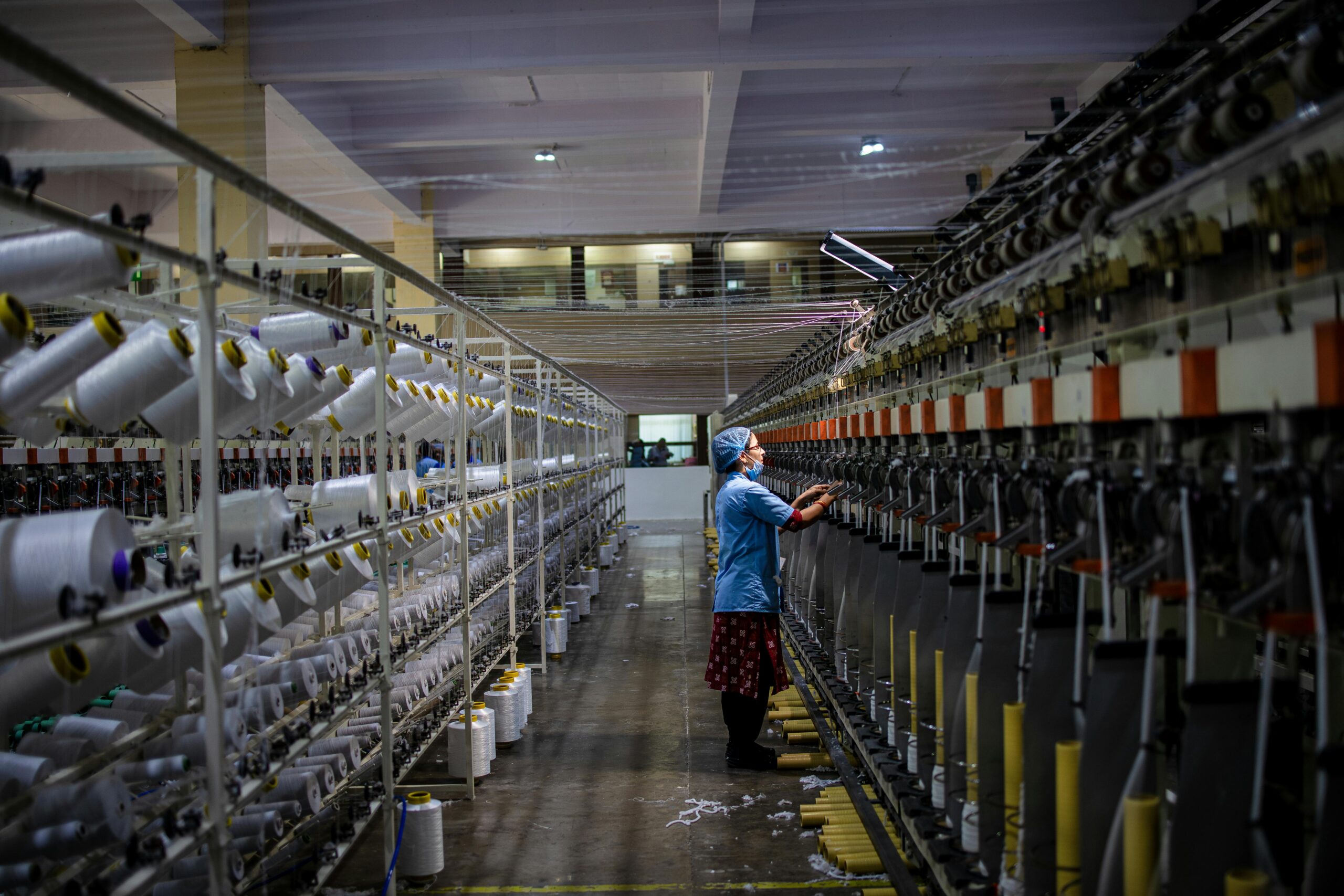
In Northwest Georgia, the impacts are already being felt. Jesse Doemonbreun-Chapman, executive director of the Coosa River Basin Initiative, said communities near Dalton and Calhoun have faced contamination connected to carpet and textile manufacturing. He said some companies used pre-treatment permits to send PFAS-containing wastewater to public treatment facilities that were not designed to remove the chemicals, allowing them to circulate through soil, surface water and groundwater.
Those concerns are driving support for House Bill 611.
“So basically,” he said, “it requires companies to disclose to the locally owned treatment works that have a pre-treatment program if they are intentionally using PFAS or they suspect that they are passing PFAS on to the public sewer through their wastewater.”
Under Georgia law, companies are not currently required to provide that information. Environmental advocates say people can reduce exposure by avoiding nonstick cookware, limiting stain-resistant products and using certified water filters.

-

The Stephanie Miller Show
Weekdays at 10am
National morning drive radio and television star Stephanie Miller hosts The Stephanie Miller Show, reaching over six million listeners weekly on satellite and terrestrial radio, simulcast on FreeSpeech TV. A ratings powerhouse who dominated at KABC, KFI, and stations in New York and Chicago, she's been ranked on Talkers Magazine's "Heavy Hundred" for over a decade and won their Woman of the Year Award. Her sold-out Sexy Liberal Comedy Tour became the fastest-selling comedy tour in history, earning three Pollstar nominations and producing America's #1 comedy album. Praised by Rachel Maddow as "the high priestess of excellent liberal talk" and by Carol Burnett as "the Carol Burnett of radio," this Liberal icon—ironically the daughter of Barry Goldwater's 1964 VP running mate—is known as "The Voice of The Resistance."
close  From CBS News
- Fugitive wanted for allegedly bribing Venezuelan officials taken in U.S. custody October 11, 2026Alvaro Pulido was indicted in Miami federal court in 2019 and again in 2021 as part of an investigation into his longtime business partner, Alex Saab, a one-time ally of ousted President Nicolás Maduro.
- Full transcript of "Face the Nation with Margaret Brennan," Oct. 11, 2026 October 11, 2026On this "Face the Nation with Margaret Brennan" broadcast, Homeland Security Secretary Markwayne Mullin and Senate Majority Whip John Barrasso join Margaret Brennan.
- DHS secretary defends livestream of Fort Hood shooter's execution October 11, 2026Department of Homeland Security Secretary Markwayne Mullin defended the Pentagon's plan to livestream the execution of an ex-Army major who was convicted of the 2009 killing of 13 people at Fort Hood.
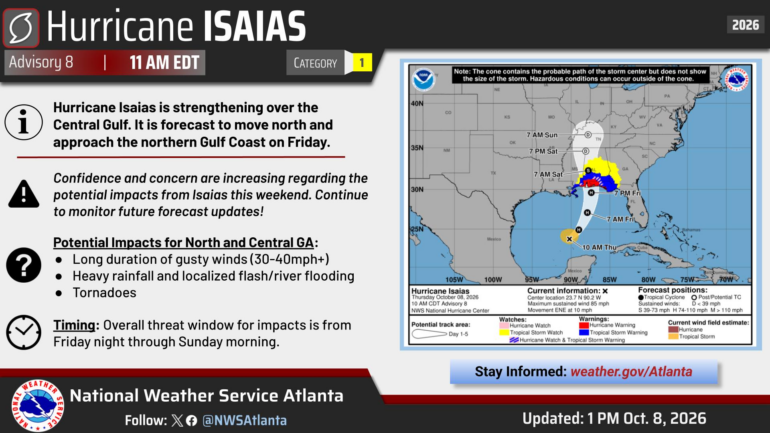
- Thousands still without power in Florida and Alabama as Isaias moves north October 11, 2026The storm, which hit as a Category 2 hurricane near Destin, Florida, has been linked to at least four deaths.
- Democrat Chris Pappas says "we're taking nothing for granted" in N.H. race October 11, 2026Democratic Rep. Chris Pappas, who's running to represent New Hampshire in the Senate, said that "we're taking nothing for granted" as Election Day approaches, amid a "tough race" in the Granite State.
- This week on "Sunday Morning" (Oct. 11) October 11, 2026A look at the features for this week's broadcast of the Emmy-winning program, hosted by Jane Pauley.
- 10/11: Face The Nation October 11, 2026This week on "Face the Nation with Margaret Brennan," U.S. Secretary of Homeland Security Markwayne Mullin joins, along with Sens. John Barrasso, Chris Murphy and Democratic Senate candidate Rep. Chris Pappas. Plus, Palantir's Chief Technology Officer Shyam Sankar.
- The girls of summer October 11, 2026Women's pro baseball has been largely inactive in this country since the pioneering All-American Girls Professional Baseball League folded 72 years ago. Now, with the new Women's Pro Baseball League (which debuted this summer), women are again taking to the diamond in a league of their own. Correspondent Faith Salie talks with #1 draft pick […]
- Extended interview: Steve Bannon October 11, 2026In this extended conversation, political strategist and podcaster Steve Bannon talks with "Sunday Morning" senior contributor Ted Koppel about populist and nationalist politics in the U.S. and abroad; the ground game of Democratic Socialists and prospects for the 2026 midterms; Trumpism and election denialism; and media coverage of politics.
- The dog rescuer October 11, 2026Christine Quaiff has captured dozens of lost dogs for grateful owners around Richmond, Virginia. Her most recent case was a desperate search for two Goldendoodles, Bailee and Tobey, who escaped from Annie Olup's car after she was in a near-fatal accident. Steve Hartman reports on how one tenacious searcher helped enable a tearful reunion.
- Fugitive wanted for allegedly bribing Venezuelan officials taken in U.S. custody October 11, 2026
Post comments (0)