-
 play_arrow
Georgia NOW Live Streaming Now
-
 play_arrow
Holy Mother Of Pazuzu


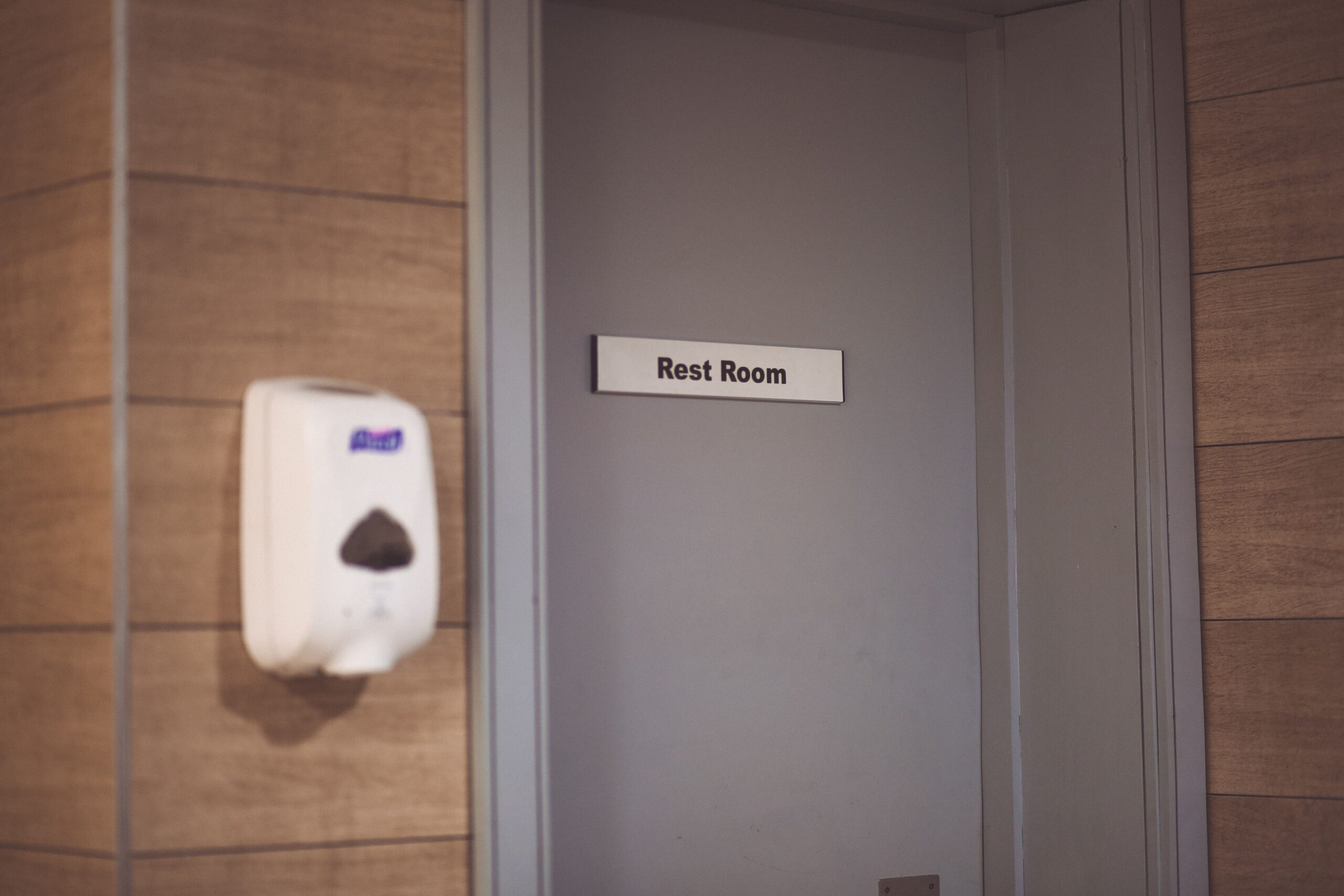
Atlanta’s shortage of accessible public restrooms poses health and homelessness challenges, study finds
More than half of Atlanta’s publicly listed restrooms aren’t actually open to everyone, according to a new Georgia State University study that highlights growing concerns about public health and homelessness.
The Georgia Recorder reports researchers with Georgia State University’s School of Public Health surveyed 262 restrooms in parks, libraries, transit stations, restaurants, gas stations and retail stores. They found 55% were either restricted to customers, closed to the public or otherwise inaccessible.
Assistant Professor April Ballard, who co-led the study, said inconsistent restroom access creates challenges for anyone in the city but can become a serious health issue for people experiencing homelessness. She said delaying bathroom use or lacking access to hygiene facilities can increase the risk of urinary tract infections, kidney damage and the spread of illnesses such as Hepatitis A.
Brad Schweers, executive director of the Atlanta nonprofit Intown Cares, said the lack of accessible restrooms also strips people of dignity and makes it harder for those experiencing homelessness to meet basic needs.
Atlanta officials say they are working to improve access. The city recently installed 10 solar-powered Throne Labs smart restrooms in parks, nature preserves and along the BeltLine as part of an effort to expand public sanitation.
The study comes as Georgia enforces House Bill 295, signed earlier this year by Gov. Brian Kemp, allowing property owners to sue local governments over failures to enforce certain laws related to homelessness, including public urination. Schweers argued the law creates a difficult situation for people who have nowhere else to go, saying expanded restroom access is a more effective solution than increased enforcement.


-
The Thom Hartmann Program
Weekdays at 1pm
Thom Hartmann is a New York Times bestselling, four-times Project Censored Award-winning author and host of The Thom Hartmann Program, which broadcasts live nationwide each weekday from noon to 3pm Eastern. For 20 years, the show has reached audiences across AM/FM stations throughout the US, on SiriusXM satellite radio, and as video on Free Speech TV, YouTube, Facebook, and X/Twitter.
close  From CBS News
- Maps show wildfire smoke forecast, air quality alerts in swath of U.S. July 16, 2026Heavy smoke from several large wildfires blazing in Canada and Minnesota is engulfing large swaths of the Midwest and Northeast U.S. this week.
- Foreclosures surged 21% in the first half of 2026, new data shows July 16, 2026The state with the biggest jump in foreclosure activity was Idaho, where filings increased 59% compared to the same time last year.
- DHS could weigh use of Medicaid, housing help in green card decisions July 16, 2026Immigration officers could weigh use of Medicaid, food aid and housing help in green card decisions after Trump administration rescinds Biden-era public charge rule.
- Navy's Blue Angels investigate after video shows low flyover at Florida beach July 16, 2026The Blue Angels said an aircraft "flew lower than standard profiles, resulting in a disturbance on the beach that affected civilian chairs and umbrellas."
- Meteorite that hit home contains "alien world chemistry," experts say July 16, 2026When scientists examined the preserved fragments of a meteorite that crashed in 2024, they found brine-like fluids and key molecules.
- Dozens rescued in central Texas after region hit by flash flooding for third day in a row July 16, 2026Torrential rain slammed central Texas for the third day in a row, triggering dangerous flash floods in parts of the region. The same storm system also spun up a tornado near San Antonio. Jason Allen has the latest.
- Trump fires U.S. attorney in Washington on heels of court appointment July 16, 2026Judges on the U.S. District Court for the Western District of Washington had appointed Roger Rogoff as U.S. attorney in Seattle. But he was fired shortly after.
- Cyclospora outbreak leaves consumers guessing which foods are safe July 16, 2026Officials are still searching for the source of the outbreak, prompting consumers to seek advice on social media about which foods to avoid.
- Video shows low Blue Angels flyover at event in Florida July 16, 2026The Navy's elite Blue Angels are investigating after a low flyover during an event in Pensacola, Florida. One of the jets came barreling so low over the beach that it sent sand, chairs and tents flying. Tom Hanson reports.
- GPS data shows location of boat Nolan Wells was on before he disappeared July 16, 2026The parents of Nolan Wells and their legal team say they've received some assurances about the thoroughness of the investigation into the 18-year-old's death. Wells was last seen on July 4 on a boating trip to Horn Island, which is 10 miles from Mississippi's Gulf Coast. GPS data reveals the movements of the boat before […]
- Maps show wildfire smoke forecast, air quality alerts in swath of U.S. July 16, 2026
Post comments (0)