-
 play_arrow
Georgia NOW Live Streaming Now
-
 play_arrow
Who's voting (and where they live) - what it may be telling us already



A cheaper path to solar is here. Here’s why Georgia hasn’t joined in.
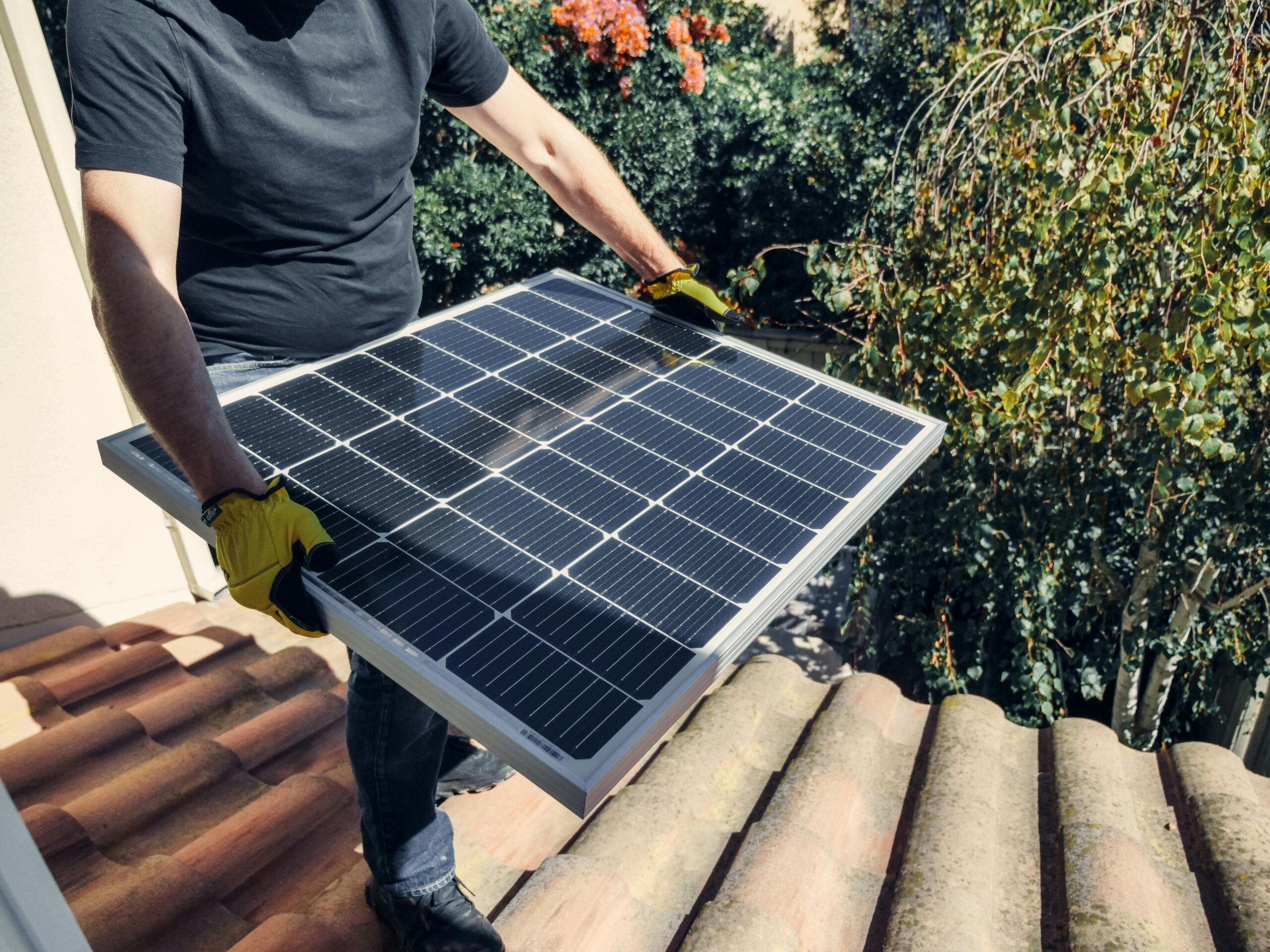
A new way for individuals to harness solar energy is becoming popular in parts of the U.S. while Georgia lags behind adopting certain policies to encourage self-generated power.
Plug-in solar, or balcony solar, could make solar energy more accessible for homeowners and renters to shrink their energy costs. Systems range from $500 to more than $4,000 making them significantly more affordable that traditional rooftop solar, which can cost around $30,000.
The concept has been popular in Europe for years, and parts of the U.S, specifically California, have been quick to jump on board the trend.
Adrien Webber, the director of the Georgia Sierra Club, said people all over the world are starting to adopt balcony solar because of ongoing conflicts that create instability in fossil fuel markets, such as the wars in Iran and Ukraine.
“We’re kind of already starting to see it in California and some other states because people are realizing that they can produce their own power. We call it energy freedom,” he said.
But, utility companies are not very happy with this change, he said.
“They make money off of charging you for power. So, if you start producing your own power with an unlimited resource like the sun, it’s something that they don’t like and their shareholders don’t like,” Webber said. “We are huge advocates of taking energy into your own hands, giving you that freedom to have a choice of how you power your home.”
A typical 400-800 watt system costs between $500 and $1,500 and can generate enough electricity to shave roughly $15-$50 off an electric bill per month, according to Energy Sage.
In the U.S., 23 states have active bills regarding plug-in solar with two states having fully passed legislation on the topic, according to Bright Saver’s legislation tracker.
However, Georgia lawmakers did not pass any legislation this year to allow for plug-in solar. State Rep. Imani Barnes, D-Tucker, introduced House Bill 1304 that would exempt balcony solar from certain regulatory requirements that apply to rooftop solar. Although the bill had bipartisan support, it never received a vote in committee.
During a hearing for the bill, critics expressed concerns about the safety of the devices and whether a blanket exemption for interconnection agreements with utility companies was prudent, according to the Atlanta Journal-Constitution.
Webber said a lot of misinformation gets disseminated from utility companies and the fossil fuel industry to discourage the use of clean energy.
“I think that people want to believe the easy talking points from the fossil fuel industry, where in fact, if you read between the lines of what they’re saying and you poke at things a little bit more, you’ll see that what they’re saying is actually not true,” he said.
The issue of safety could be addressed soon. The concern is that the devices could send power back onto the grid and could endanger the lives of lineworkers. UL Solutions, a global safety science company, created a certification program for the devices late last year and is working with manufacturers to achieve certification.
A company spokesperson told the AJC that they expect to issue their first certification in the next few months.

-
The Rick Smith Show
Weekdays at 8pm
The Rick Smith Show is one of America's most popular working-class programs, broadcasting the class war to restore America to the people who built it since 2005. Streaming live weeknights from 9pm-11pm EST on YouTube and Twitch TV, airing nightly in primetime on Free Speech TV, and heard on radio stations in major markets including New York City on WBAI 99.5 FM, Los Angeles on KPFK 90.7 FM, and Chicago on WCPT AM 820, the show delivers a direct, honest approach to the issues that matter. By working people, for working people, it's a place where facts are center, science is real, and everyone gets a seat at the table—no puppets, no focus groups, no talking points. Host Rick Smith grew up in the working-class neighborhoods of Cleveland, going from delivering papers as a boy to driving 18-wheelers as a proud union member, bringing the grit of a Teamster and the voice of America's working families to the airwaves coast-to-coast.
close  From CBS News
- Florida cop accused of stealing dead man's identity and moving into his home October 23, 2026A Florida police officer is accused of stealing a dead man's identity and illegally taking possession of his home more than four years ago. Cristian Benavides has more.
- The Points Guy shares tips to maximize your money October 23, 2026A new report finds some customer loyalty programs can give consumers up to 25% back on purchases. Brian Kelly, also known as The Points Guy, shares his tips to make your money stretch further.
- 2 ex-FBI officials charged with lying about Hunter Biden laptop probe October 23, 2026Two former FBI agents have each been charged with one count of lying to Congress about Hunter Biden's laptop.
- Trumps to vote early in person in Florida on Saturday October 23, 2026President Trump and first lady Melania Trump are expected to vote early in Palm Beach County.
- Anthropic previews Claude Duet personal AI agent for subscribers October 23, 2026Anthropic said Claude Duet is only available by waitlist as a research preview for paying subscribers. Here's what it can do.
- Fans, cosplayers nerd out at New York Comic Con October 23, 2026Hundreds of thousands of fans converge at New York Comic Con every year to celebrate the entertainment and media they love. Nate and Vlad joined the masses to enjoy the con.
- A couple bought a mansion locals called cursed, then tragedy struck October 23, 2026A couple thought they'd found their dream retirement home in a Tennessee mansion locals called cursed. When the husband vanished, investigators uncovered a murder plot and a trail of clues that led to his killer. "48 Hours" correspondent Peter Van Sant reports.
- This week on "Sunday Morning" (Oct. 25) October 23, 2026A look at the features for this week's broadcast of the Emmy-winning program, hosted by Jane Pauley.
- Why a California DA is holding parents responsible for kids' electric motorcycle accidents October 23, 2026A California district attorney is holding parents responsible for serious electric motorcycle accidents involving their children. Natalie Morales has more.
- Bodycam video shows fatal police shooting of 1-year-old boy October 23, 2026A police officer shot and killed 1-year-old Kohen Wiley outside a Walmart in Mississippi. State officials ruled the shooting was justified. Now, Mississippi authorities have released the body camera video from the officer who fired the shots.
- Florida cop accused of stealing dead man's identity and moving into his home October 23, 2026
Post comments (0)