-
 play_arrow
Georgia NOW Live Streaming Now
-
 play_arrow
The Politics Bar After Hours - The Benchers



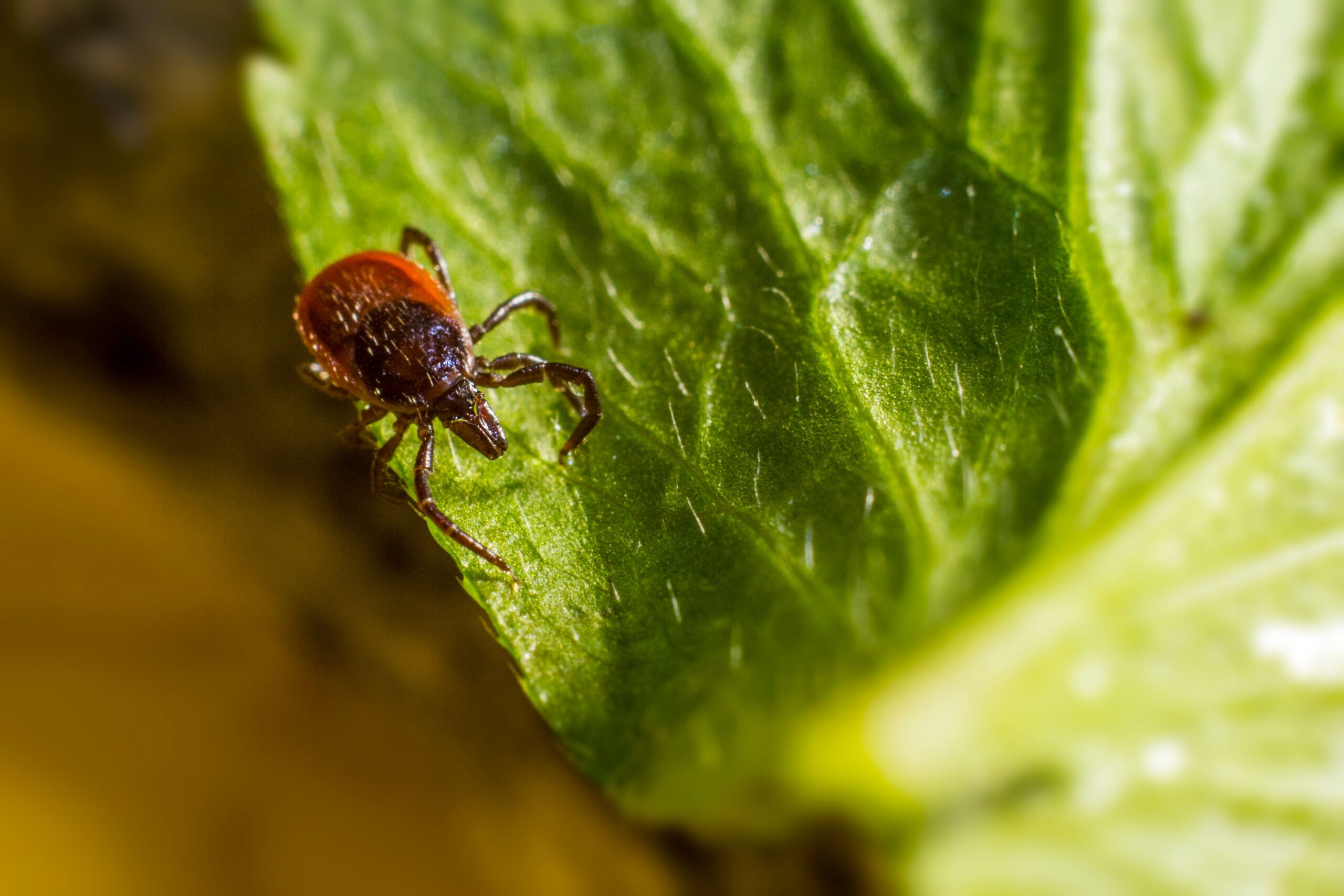
Georgia’s massive tick collection helps researchers track disease risks year-round
Georgia is home to one of the world’s largest tick collections, and due to the state’s warm, humid climate, ticks are active year-round.
The tick collection at Georgia Southern University (GSU) includes more than 1 million specimens and is used by public health officials to research and combat tick-borne diseases.
There are three species that are commonly found on humans: the lone star tick, the American dog tick and the black-legged tick.
Dr. Joydip Roy, the Mid-Atlantic market chief medical officer for UnitedHealthcare, said understanding how ticks feed is an important first step in prevention efforts.
“Ticks are what’s termed a vector, and they can carry various diseases due to bacteria, viruses, or protozoas, and they can transmit these to humans and cause disease,” Roy said.
Experts recommend wearing long pants, using DEET, and doing thorough body checks after spending time outdoors.
In Georgia, common illnesses include Rocky Mountain spotted fever, lyme disease and a red meat allergy caused by the lone star tick.
Although most tick bites cause minor symptoms, Roy said some can be serious.
“Most of the time there’s going to be some swelling, redness, itching, sometimes pain depending on the type. That’s kind of the local reaction. And every insect bite or sting is different from person to person,” Roy said.
GSU is offering its annual tick workshop this summer to inform the public about the tiny parasites.

-

Jill on Money
Saturdays at 9am
Jill on Money is a nationally syndicated radio show and podcast hosted by Jill Schlesinger, CFP®, the Emmy and Gracie Award-winning business analyst for CBS News who tackles sometimes uncomfortable and even controversial money and investing issues without the financial jargon. Each week, Jill takes listener phone calls and interviews informative and entertaining guests to uncover surprising insights and provide actionable information so listeners can make the most of their money. Jill translates complicated business and economic news into understandable, relatable topics, is a weekly guest on NPR's "Here and Now," and writes the nationally syndicated column "Jill on Money" for Tribune Media Services. Her two books include The Great Money Reset, published in January 2023 by St. Martin's Press, and The Dumb Things Smart People Do With Their Money, published in February 2019 by Ballantine Books.
close  From CBS News
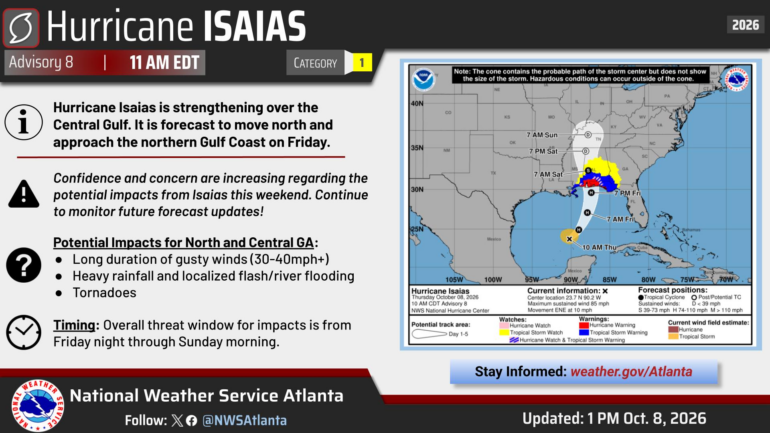
- At least 4 dead as Isaias brings threat of floods across the Southeast October 10, 2026More than 600,000 customers are without power after Isaias made landfall as a hurricane on the northern Gulf Coast.
- Vehicle driven by ICE agents in Texas hits and injures man, sheriff says October 10, 2026The Harris County Sheriff's Office said in a statement that the incident appears to have occurred during an ICE enforcement action.
- House candidate who reported rape on campaign trail details why she came forward October 10, 2026In the days since U.S. House candidate Bernadette Greene-Placentia publicly came forward alleging she was raped over the summer while repairing a campaign sign, she says women have been reaching out to her to share their own stories.
- This week on "Sunday Morning" (Oct. 11) October 10, 2026A look at the features for this week's broadcast of the Emmy-winning program, hosted by Jane Pauley.
- Christa Pike released from hospital following botched execution, lawyers say October 10, 2026Christa Pike survived despite being given two doses of a lethal injection.
- Pope says death penalty "inadmissible" amid U.S. plans to livestream execution October 10, 2026The firing squad execution of Nidal Malik Hasan, convicted of a 2009 shooting at Fort Hood, will be livestreamed, the U.S. Defense Department said.
- What we know about the man shot by ICE in New York City October 10, 2026There's outrage in New York City after a Bronx man was shot by an Immigration and Customs Enforcement agent while his young child sat in the backseat of his car. The Department of Homeland Security says the man "decided to not comply with lawful orders." Camilo Montoya-Galvez reports.
- Isaias makes landfall as Category 2 hurricane October 10, 2026Isaias made landfall on the northern Gulf Coast as a Category 2 hurricane, but within hours weakened to a post-tropical cyclone.
- Blanche, other DOJ appointees can take part in campaigns, memo says October 10, 2026The Justice Department has loosened the guidelines for the attorney general and other senior political appointees, allowing them to participate in political activities.
- 10/10: CBS Saturday Morning October 10, 2026Isaias makes landfall, President Trump's Russian diesel deal, plus the search for Amelia Earhart. All this and more.
- At least 4 dead as Isaias brings threat of floods across the Southeast October 10, 2026
Post comments (0)