-
 play_arrow
Georgia NOW Live Streaming Now
-
 play_arrow
Time To Go Local



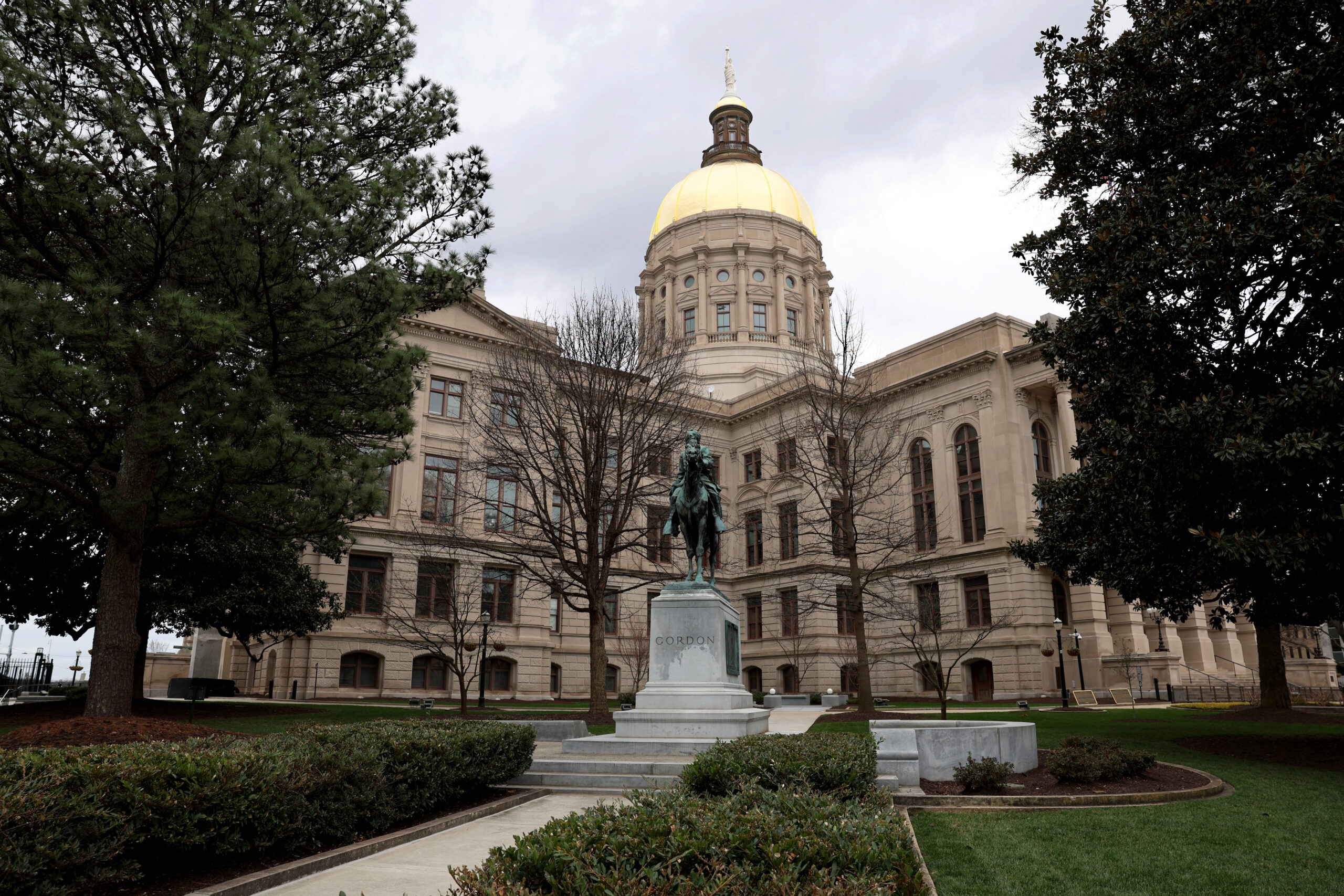
Georgia bill could ease state takeovers of cities, raising equity concerns
The Georgia Senate is considering a bill that would make it easier for the state to take over cities.
Isabel Otero, the Georgia policy director for the Southern Poverty Law Center, said that House Bill 1166 creates a new definition of a distressed city making it much easier for the state to take control of local governments.
“In Georgia’s political context, this means that there’s a particular danger for like Black-led, Black majority cities, cities that are highly diverse,” she said.
If a city is deemed distressed under the processes of the bill, a state official would be appointed to manage the city’s finances.
“That is again like an extreme thing to do when a city might be under financial distress. It creates this sort of ability for the state to approve of what local folks are deciding for themselves,” she said.
Otero said they are advocating to amend the bill to create a better definition for a distressed city so it doesn’t apply to hundreds of cities in the state.
“We don’t want this to be used as a political tool to intervene where the state legislature, the governor or the attorney general dislikes what that city is actually doing,” she said.
After the end of the funds from the coronavirus pandemic and the shift of the federal government to reduce spending on local governments, Otero said cities are hurting, but this is not the solution.
“This is just shifting the burden to different people and not actually addressing whatever financial issues these cities are actually having,” she said.
Otero said over the past several years, the Georgia legislature has shifted in its approach to maintaining local control of cities and counties.
“As cities do get more diverse, as they’re trying to do more progressive sort of policies around public safety, around housing, around all these other issues, we see sort of a backlash from state legislators who don’t necessarily agree with what’s happening at the city level or the municipality level,” she said.
The legislative session ends at midnight on April 2, and Otero said people need to make their voices heard.


-

The Ron Show
Weekdays at 4pm
Ron Roberts is a Georgia-born radio veteran and host of The Ron Show, Atlanta's only progressive audio platform airing weekdays on AmericaOne Radio. With an extensive background as an FM radio program director and broadcaster skilled in audio editing, voice acting, and commercials, Ron brings nearly three decades of radio experience to his show. The show covers Atlanta, metro Atlanta, Georgia, and national politics from a unique perspective—he's a self-described "run-of-the-mill Georgia-born gay progressive cat-dad realtor & talk show host". Ron frequently welcomes guests ranging from local activists to prominent national figures, including Marianne Williamson, Rep. Nikema Williams, actor Michael Kelly, and Sen. Shea Roberts.
close  From CBS News
- Archives IG says human error to blame for release of Sherrill's military records March 31, 2026The inspector general for the National Archives concluded human error, not political motivations, was to blame for the release of New Jersey Gov. Mikie Sherrill's military records last year.
- Americans saving less for retirement — that's a "warning sign," experts say. March 31, 2026Full-time employees cut their 401(k) participation and contribution rates last year amid an affordability crunch, new research shows.
- Jamie Dimon says he doesn't know if Iran war will tip economy into recession March 31, 2026JPMorgan Chase CEO Jamie Dimon tells "CBS Evening News" anchor Tony Dokoupil he doesn't know if the war in Iran will push the economy into a recession, but, "I think what's more important for the future of the world is that this war successfully conclude."
- Iran war's impact is spreading beyond oil, hitting helium and aluminum March 31, 2026Shortages of helium, a byproduct of natural gas processing, could create problems for semiconductor and medical equipment manufacturers.
- Hegseth slated for House testimony amid Iran war pressure, sources say March 31, 2026Defense Secretary Pete Hegseth is tentatively expected to testify publicly before the House Armed Services Committee on April 29, according to two sources familiar with the plans.
- Supreme Court rules against Colorado ban on conversion therapy March 31, 2026The Supreme Court ruled in favor of a Colorado counselor who challenged a law banning conversion therapy for minors, ruling that lower courts failed to apply "sufficiently rigorous First Amendment scrutiny."
- Surging U.S. gas prices could erase bigger tax refunds, analysis finds March 31, 2026Stanford economists estimate that the typical U.S. household will spend an additional $740 on gas this year because of the jump in global oil prices.
- Gas in U.S. hits $4 a gallon for first time since August 2022 March 31, 2026The average price of gas across the U.S. last reached $4 after Russia's invasion of Ukraine sent crude oil prices surging.
- Tiger Woods was "sweating profusely" after car crash, arrest report says March 31, 2026Tiger Woods was arrested last week in Florida and charged with driving under the influence after a vehicle crash.
- Pete Hegseth says "upcoming days will be decisive" in war against Iran March 31, 2026Defense Secretary Pete Hegseth and Joint Chiefs Chairman Gen. Dan Caine held a news conference at the Pentagon as gas prices in the U.S. continued to climb amid the ongoing war with Iran.
- Archives IG says human error to blame for release of Sherrill's military records March 31, 2026
Post comments (0)