-
 play_arrow
Georgia NOW Live Streaming Now
-
 play_arrow
They Were Warned



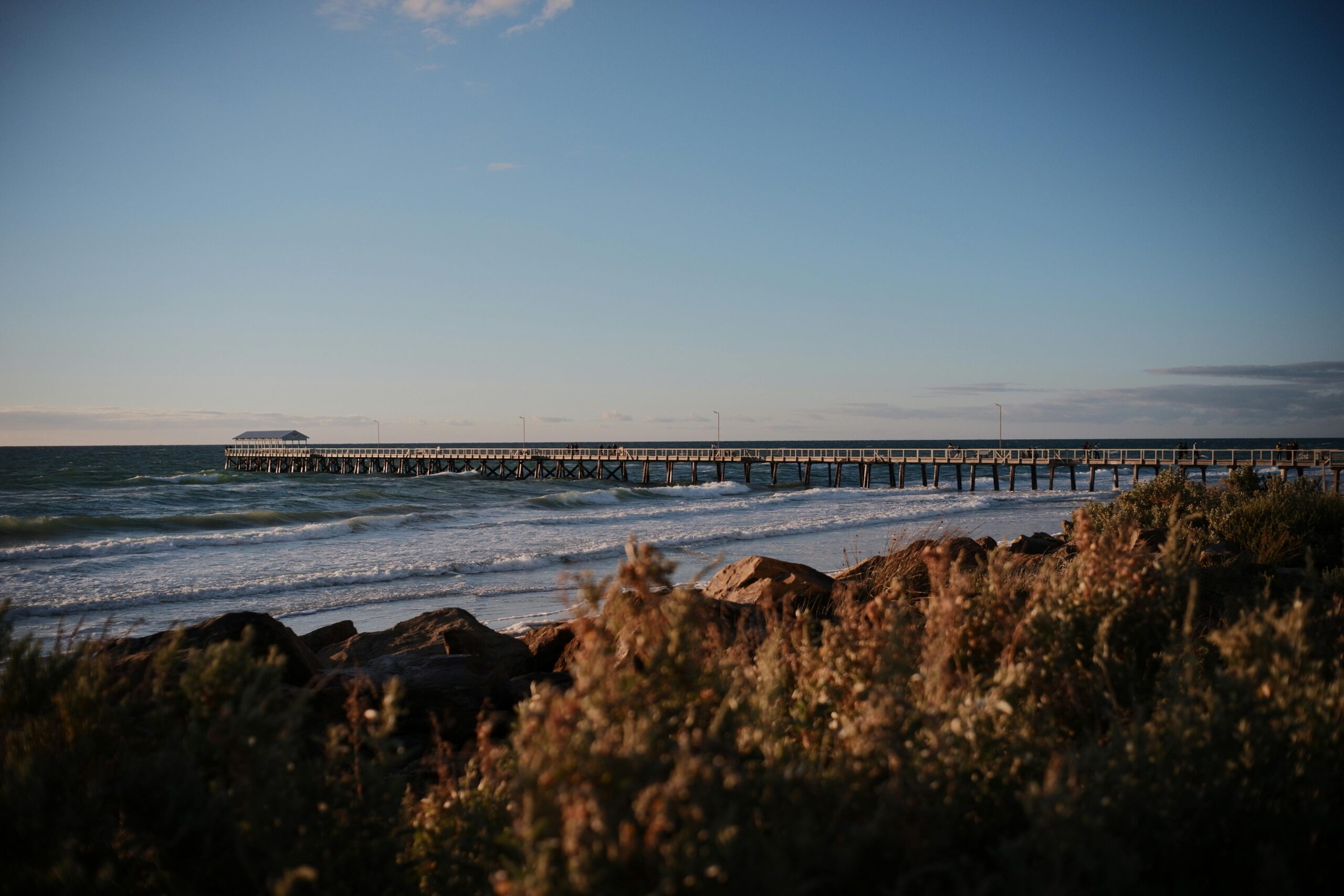
Coastal Georgia leaders rethink water planning as supply outlook shifts
Coastal Georgia leaders are reexamining how the region will manage water supplies as new infrastructure investments and shifts in industrial demand reshape earlier concerns.
The Current reports that just a year ago, planners were focused on whether groundwater could support rapid industrial growth — including Hyundai’s electric vehicle plant — without leaving farmers in Bulloch County short on irrigation. Since then, the outlook has changed.
In March, Gov. Brian Kemp advanced a $500 million state investment to increase drinking water capacity from the Savannah River. Later in the summer, International Paper announced the closure of two coastal mills, a move expected to reduce groundwater withdrawals from the Floridan aquifer by more than 20 million gallons per day, according to The Current.
Those developments were discussed at a December meeting of the Coastal Georgia Regional Water Planning Council, which is preparing recommendations ahead of the 2027 expiration of major water withdrawal permits in Chatham, Effingham, Bryan and Liberty counties.
Former Savannah Mayor Eddie DeLoach, a member of the planning council, raised concerns about how unused water permits could be handled amid rapid development inland.
“I come off of I-16 and every farm I see is for sale for development,” DeLoach said, questioning who might ultimately gain access to water permits no longer used by shuttered industrial facilities.
State regulators said no decisions have been made. The Current reports that officials are asking stakeholders to help shape how freed-up water should be managed.
EPD Water Supply Program Manager Wei Zeng said the state is weighing expanded use of surface water and redistributing groundwater pumping to reduce stress on the Floridan aquifer.
“Can we decide collectively which parties need to be on surface water and which need to be on groundwater?” Zeng said, noting that shifting pumping locations could ease saltwater intrusion affecting coastal wells.
Zeng added that while environmental impacts to the Savannah River are expected to be low, dissolved oxygen levels in the harbor remain under review.
Planners also discussed septic system use in fast-growing areas, wastewater reuse and saltwater intrusion in Glynn County. The advisory committee supporting the planning council is expected to reconvene in February.

-

The Politics Bar
Weekdays at 6pm
Jody Hamilton and Shawn "Smith" Peirce are the proprietors of The Politics Bar, a progressive audio show that recreates the spirit of the old neighborhood bar where friends could discuss the news of the day without starting a brawl. Jody is an Emmy-nominated, award-winning media producer, actress, and radio host—daughter of TV producer Joe Hamilton and comedy legend Carol Burnett—who's made her own mark in media through "The Carol Burnett: Show Stoppers," "The Porkchop Playhouse," "From The Bunker" podcast, and her work as executive producer and fill-in host of "The Stephanie Miller Show". Shawn is a long-time national media producer and radio talent who's one of the few producers in U.S. political media to have worked on the left, right, and center, including more than a decade with "The Randi Rhodes Show" and stints producing "The Stephanie Miller Show," "The Bill Press Show," "The Laura Ingraham Radio Show," and "The Steele & Ungar Show" for SiriusXM. The show airs weeknights on progressive radio affiliates nationwide and is available on-demand through podcast platforms and Substack subscription.
close  From CBS News
- 3/9: Face the Nation March 17, 2026This week on "Face the Nation with Margaret Brennan," after a whiplash week of on-again, off-again tariff announcements, Canadian ambassador to the U.S. Kirsten Hillman joins to discuss the costs and consequences of a trade war. Plus, former White House Russia expert Fiona Hill discusses President Trump's diplomatic pivot on Ukraine.
- Illinois Senate primary race is test of Pritzker's sway, Democrats' views of ICE, outside spending March 17, 2026The 2026 Democratic primary campaign for retiring Sen. Dick Durbin's Senate seat is largely a three-person race. Voters go to the polls Tuesday in Illinois.
- Alleged pipe bomber argues charges should be tossed under Jan. 6 pardons March 17, 2026A man who was accused of planting pipe bombs outside the RNC and DNC on the eve of the Jan. 6 attack is arguing he is covered by President Trump's sweeping pardons of alleged Jan. 6 rioters.
- Kouri Richins, mom who wrote grief book, found guilty of murdering her husband March 17, 2026Jurors delivered their verdict Monday in the trial of Kouri Richins, a Utah mother accused of murdering her husband and later publishing a children's book about grief.
- 3/16: The Takeout with Major Garrett March 17, 2026Trump calls for other countries to help open Strait of Hormuz; White House chief of staff Susie Wiles diagnosed with breast cancer.
- "All the Empty Rooms" wins Oscar for memorializing kids killed in school shootings March 17, 2026The film follows CBS News correspondent Steve Hartman and photographer Lou Bopp through their seven-year journey to document the toll of America's school shooting epidemic.
- Steve Hartman's Oscar for a short film meant to make us feel again March 17, 2026For years, CBS News' own Steve Hartman and photographer Lou Bopp documented the bedrooms of children killed in school shootings. The resulting film, "All the Empty Rooms," just won an Oscar. Tony Dokoupil has more.
- Tips for braving airport chaos this spring break March 17, 2026With the spring and summer travel seasons on the horizon, many are wondering how worried to be about long security lines at the airport. Brian Kelly, founder of The Points Guy website, joins to discuss.
- Ex-wife told 911 the synagogue attacker was "not stable" ahead of incident March 16, 2026A person believed to be the ex-wife of the suspect in the attack at Michigan's Temple Israel told authorities that the suspect was "not stable" ahead of the attack, according to a 911 call obtained by CBS News Detroit.
- Ex-wife called 911 to report Michigan synagogue attacker was "not stable" March 16, 2026A person believed to be the ex-wife of the suspect in the attack at Michigan's Temple Israel last week told authorities that the suspect was "not stable" ahead of the attack, according to a 911 call obtained by CBS News Detroit. Ash-har Quraishi has more.
- 3/9: Face the Nation March 17, 2026
Post comments (0)